One million euro reward for information leading to the identification of Berlin electricity saboteurs and the Volcano group
In an escalation reflecting the seriousness of the security threats facing Germany's infrastructure, German authorities have announced a substantial reward of one million euros (approximately $1.19 million) for information leading to the arrest of those involved in the sabotage attack on Berlin's power grid. This announcement, made by Alexander Dobrindt, comes as part of a firm response to what authorities have described as acts of terrorism targeting the stability of daily life and the economy.
Details of the incident and its wide impact
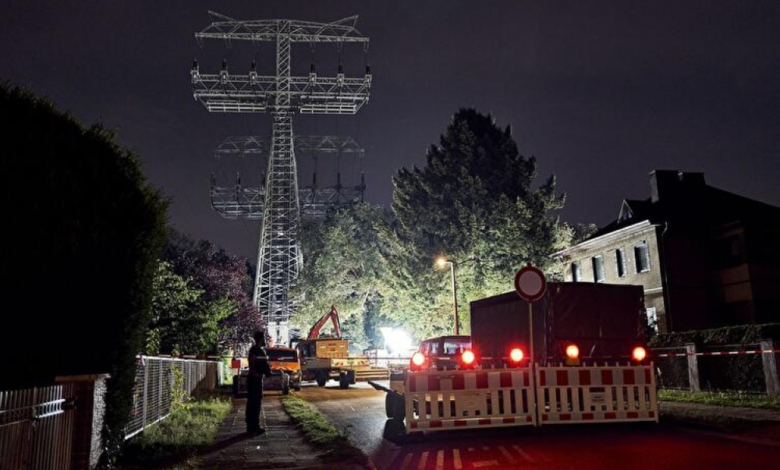
Southwest Berlin experienced a widespread power outage that lasted for nearly a week, bringing life in the area to a standstill. Official figures indicate that the incident directly affected approximately 45,000 homes and disrupted operations at 2,200 businesses. This outage was not simply a technical malfunction, but rather the result of arson targeting critical points in the power grid, highlighting the vulnerability of the infrastructure to organized attacks.
"The Volcano Group": A systematic targeting of the economy
Suspicion is strongly directed at a far-left group known as the Vulkangruppe, or "Volcano Group." The group claimed responsibility for the attack in statements posted online in early January. This is not the group's first attack; it previously claimed responsibility for two acts of sabotage targeting a Tesla electric car factory on the outskirts of Berlin, suggesting a systematic strategy of targeting major industrial and capitalist symbols in the country.
Security context and strict measures
This incident comes at a time of heated debate in Germany about the rise in violence perpetrated by extremist groups, both right and left. The Interior Ministry has pledged a firm response that will not only include financial rewards but also expanded powers for security services. Dobrindt emphasized that the seriousness of the situation justifies the unprecedented size of the reward, and noted the launch of a broad media campaign that includes posting flyers in Berlin subway stations and distributing leaflets to encourage public cooperation.
Future implications and the use of technology
In a related context, officials called for updating laws to enable police to use advanced technologies such as facial recognition and to collect digital data more broadly in order to combat so-called "left-wing extremism." Observers believe this incident could be a turning point in German security policy regarding the protection of critical infrastructure, as targeting energy networks constitutes a threat to national security that goes beyond mere sabotage. This necessitates mobilizing all available resources to prevent the recurrence of such scenarios, which inflict significant losses on the German economy.