Eating fruit reduces the risk of tinnitus by 19% – recent study
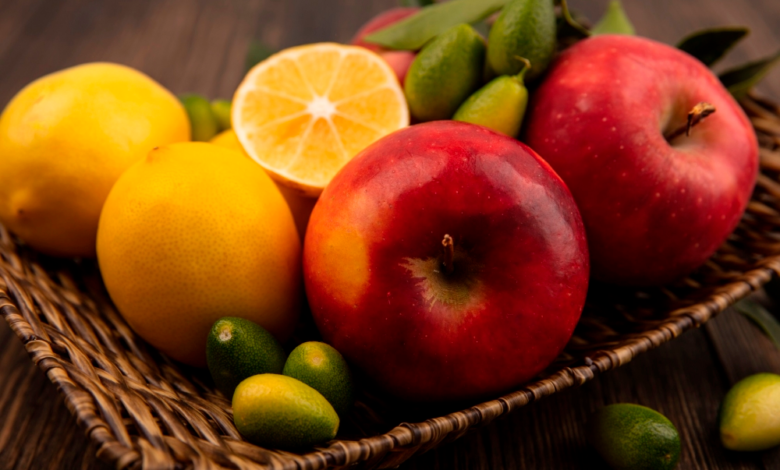
A recent medical study published in the prestigious scientific journal “American Journal of Epidemiology”, which specializes in epidemiology, revealed a close relationship between the type of diet an individual follows and the likelihood of developing the annoying problem of tinnitus, thus opening new horizons for preventing this common health symptom by modifying dietary habits.
Study details: Follow-up of more than 100,000 cases
As part of this extensive research, the scientific team conducted a comprehensive analysis of the health status of over 113,000 women, meticulously tracking their dietary patterns over a full four years. The researchers focused on observing the relationship between different dietary components and the onset of tinnitus symptoms.
During the follow-up period, approximately 23,000 participants were diagnosed with chronic tinnitus. The researchers concluded that while adhering to specific dietary patterns may not be a definitive cure for existing cases, certain foods play an effective preventative role, while others exacerbate the condition.
Fruits reduce the risk, while sugars increase it
The results showed that a high fruit intake is directly linked to a 19% reduction in the likelihood of developing tinnitus. Conversely, researchers found that excessive consumption of whole grains and sugar-sweetened beverages is associated with a 12% to 26% increased risk of this problem, suggesting a potential impact of sugars and complex carbohydrates on inner ear health.
What is tinnitus and why does it occur?
To clarify the context of this study, tinnitus is defined as the sensation of noise or ringing in the ears without an external sound source. This condition is a symptom of an underlying condition, not a disease in itself, and may be associated with aging, prolonged exposure to loud noise, or circulatory problems. Tinnitus negatively impacts quality of life, causing anxiety, sleep difficulties, and impaired concentration in those who suffer from it, making the search for ways to prevent it of paramount health and social importance.
The importance of nutrition in maintaining healthy hearing
This study is significant because it highlights "modifiable risk factors." While genetics and age cannot be changed, individuals can control their diet. Experts point out that fruits are rich in vitamins and antioxidants (such as vitamin C and potassium), which may improve blood flow to the inner ear and reduce oxidative stress that can damage auditory cells, thus explaining the study's positive findings.