Military plane crashes in Bolivia: 15 dead and heavy damage
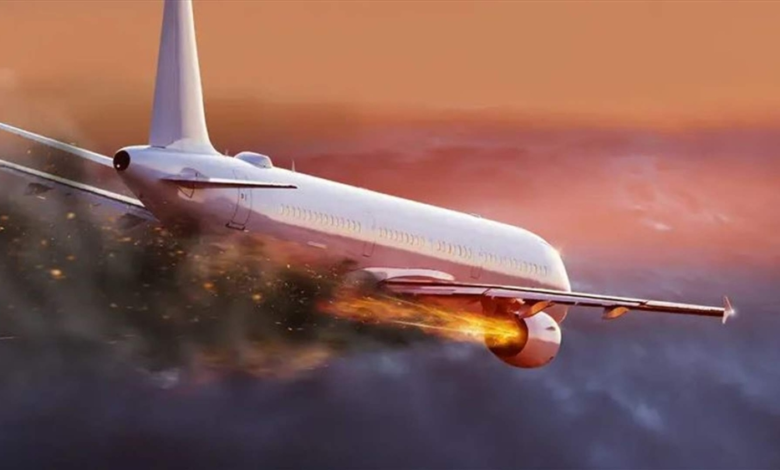
Bolivia was rocked by tragedy when a Bolivian Air Force C-130 Hercules cargo plane crashed moments after takeoff from El Alto airport, near the capital, La Paz. The crash killed at least 15 people and destroyed 12 vehicles on a highway near the airport, sending shockwaves through the country.
Details of the incident and initial reactions
According to initial statements by the fire chief, Pavilo Tovar, the plane skidded off the runway during takeoff and collided with several vehicles before coming to rest in a nearby field. Tovar added, "The plane skidded off the runway and struck vehicles in the city of El Alto, near the capital, before coming to rest in a nearby field." Images and videos circulating on local media showed the extent of the devastation, with wreckage from the plane, damaged cars, and bodies scattered across the road. Fire and rescue crews rushed to extinguish the flames that had engulfed the aircraft and provide assistance to the injured. Authorities did not immediately clarify whether all the victims were passengers on the plane or if civilians in the damaged vehicles were also among them. Following the accident, authorities announced the temporary suspension of all flights to and from the airport to facilitate rescue operations and the investigation.
General context: Flying in a challenging geographical environment
Bolivia faces unique challenges in aviation due to its rugged geography, dominated by the Andes Mountains. El Alto International Airport sits at an altitude of over 4,000 meters above sea level, making it one of the highest international airports in the world. This high altitude affects aircraft engine performance and demands specialized pilot skills and experience in handling unpredictable weather conditions. The Bolivian Air Force relies heavily on transport aircraft such as the C-130 Hercules, renowned for its ability to operate in harsh environments, to carry out logistical, military, and humanitarian missions throughout the country, including transporting troops and equipment and delivering aid to remote areas.
The importance and expected effects of the accident
Domestically, this incident represents a significant loss for the Bolivian Air Force, not only in terms of the loss of a strategic transport aircraft but also in terms of the potential loss of life among its crew. Military and civilian authorities are expected to launch a comprehensive investigation to determine the causes of the disaster, whether it resulted from mechanical failure, human error, or weather conditions. The incident also raises questions about safety standards at airports located near residential areas and major highways. Internationally, military aviation accidents, especially those involving well-known aircraft like the C-130, attract the attention of experts and analysts in the field of military aviation, and the results of the investigation may lead to a review of the operating and maintenance procedures for this aircraft model in other air fleets around the world.