Floods in South Africa and Mozambique: More than 100 dead and warnings continue
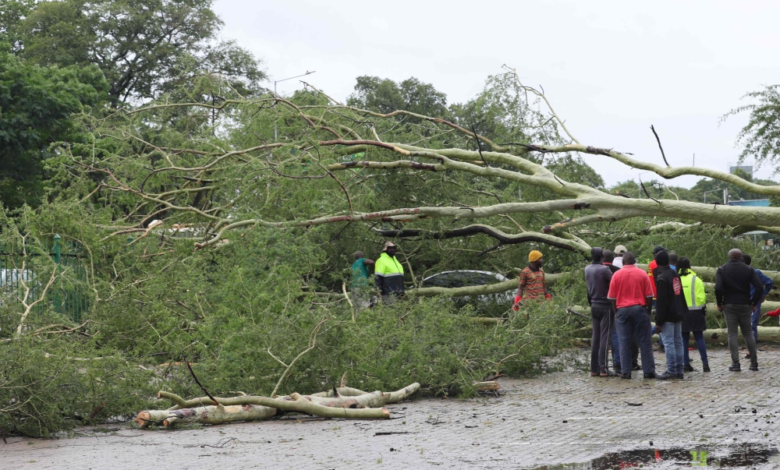
Southern Africa has been struck by a new humanitarian and environmental disaster, with torrential rains and devastating floods claiming the lives of more than 100 people across South Africa, Mozambique, and Zimbabwe. Local authorities in these countries have declared a state of high alert, warning that the severe weather is far from over, amid fears that the death toll could rise and the material damage could worsen.
Details of human losses in the affected countries
According to the latest official reports, South Africa has recorded at least 19 deaths in two northern provinces as a direct result of torrential rains that began last month, causing severe flooding that washed away roads and isolated communities. In neighboring Mozambique, the situation was even more dire, with the Institute for Disaster Management and Risk Reduction reporting 103 deaths during a rainy season described as “severe and unusual” that began late last year.
The geographical and climatic context of the crisis
Southern Africa, and Mozambique in particular, is among the most climate-related natural disaster-prone regions on the African continent. Located at the mouths of several major rivers flowing from neighboring countries into the Indian Ocean, Mozambique is prone to periodic flooding, especially during the cyclone season, which typically runs from November to April. These floods occur within the context of global climate change, which has led to an increase in the intensity and frequency of extreme weather events, with the region experiencing sharp fluctuations between severe droughts and torrential rains.
Expected economic and humanitarian repercussions
The impact of these floods extends beyond loss of life, encompassing widespread economic and humanitarian consequences. Such disasters in the three countries (South Africa, Mozambique, and Zimbabwe) often destroy vital infrastructure such as bridges and power grids, as well as washing away vast areas of farmland, threatening food security in the region. Stagnant water and contaminated drinking water sources also increase the risk of waterborne diseases, placing further strain on already fragile health systems in rural areas.
Ongoing warnings and relief efforts
Meteorological agencies in the region have issued serious warnings of continued rainfall in the coming days, urging residents in low-lying areas to exercise caution or evacuate if necessary. Rescue teams and humanitarian organizations are currently working to provide urgent assistance to those affected, amid calls for the international community to provide the necessary support to address the impact of this natural disaster, which is overwhelming local response capacities in some remote areas.