Floods inundate villages in Malaga: Details of the weather situation in Spain
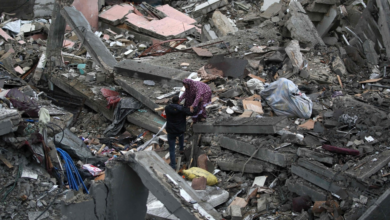
The southern Spanish province of Malaga was hit by another wave of severe weather, with torrential rains overnight Saturday and into Sunday causing widespread flooding that inundated several villages and neighborhoods, reviving fears of the natural disasters that have recently struck the country. The flash floods closed roads and disrupted daily life across large parts of Andalusia, prompting a full mobilization of emergency services.
Details of the field situation and emergency procedures
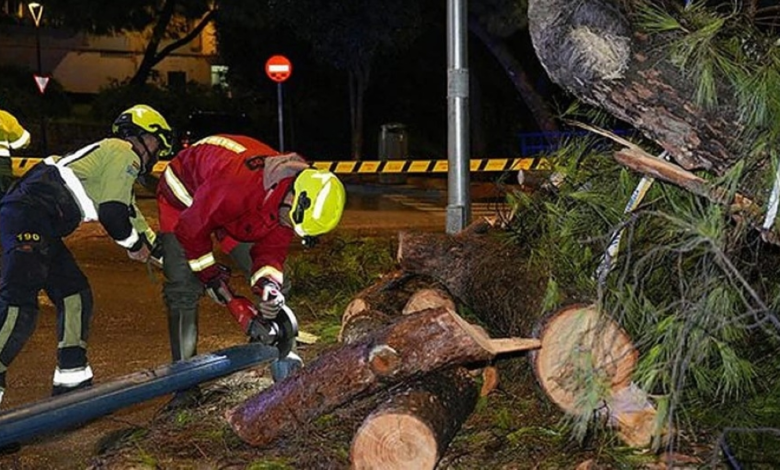
Videos widely circulated on social media showed streets in several villages around Malaga transformed into raging rivers, with water submerging cars and damaging house facades. In a swift response to the crisis, rescue and civil defense teams began working from the early morning hours to pump out water and clear mud to reopen roads and restore essential services.
In official statements, Antonio Sanz Cabello, the regional emergency coordinator for Andalusia, confirmed via the "X" platform that the heavy rainfall caused approximately 339 separate incidents across Andalusia, the vast majority of which were concentrated in the province of Malaga. Fortunately, these incidents have not resulted in any serious injuries or loss of life so far, according to official data.
While the emergency level remains in place to ensure the safety of citizens, the Spanish Meteorological Agency announced a reduction in the alert level from red (extreme danger) to orange, indicating a relative decrease in the severity of the storm. However, the authorities called on residents to be cautious and stay away from flood channels.
The specter of the Valencia disaster and the political controversy
These floods come at a time when Spain is still trying to recover from the devastating floods of October 2014, which struck mainly the Valencia region, leaving more than 230 dead and many missing. That disaster was not just a weather event; it became a deep political and social crisis, sparking widespread discontent among residents who strongly criticized the delayed early warning systems and the poor management of the crisis.
The Valencia disaster sparked a heated debate between the left-wing central government in Madrid and the right-wing local authorities in the affected regions regarding the distribution of powers and responsibilities during disasters. More than a year after the tragedy, investigations are still underway to identify shortcomings, amidst ongoing media coverage that places each new storm under intense public and official scrutiny.
Spain is among the leading victims of climate change
Climate experts confirm that what Spain is experiencing is not just isolated incidents, but part of a new and worrying climate pattern. The Iberian Peninsula is among the European regions most affected by global warming, with the country facing extreme fluctuations ranging from prolonged droughts and record-breaking summer heat to sudden, torrential downpours.
Scientists attribute the increasing frequency of these extreme weather events, such as the storms known locally as "DANA," to the warming of the Mediterranean Sea. This warming increases the amount of water vapor in the atmosphere, leading to torrential rainfall that overwhelms the capacity of existing infrastructure. This situation presents significant challenges for the Spanish government in modernizing its infrastructure and developing climate adaptation strategies to protect vital tourist and agricultural areas in the south of the country.