Geographic tongue: causes, symptoms, treatment, and prevention
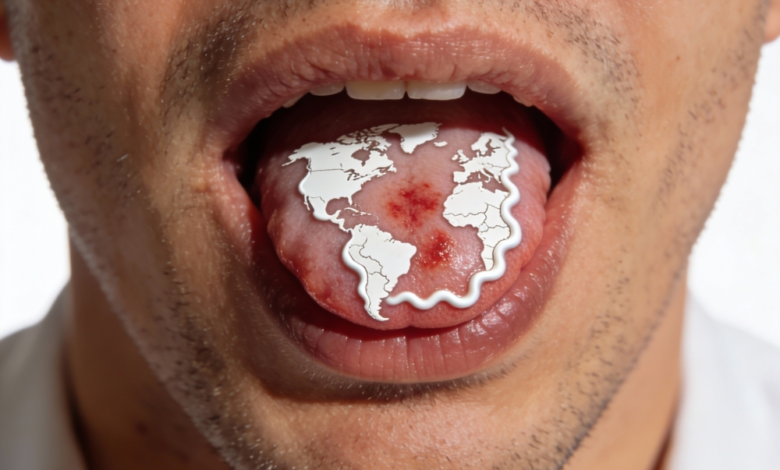
Have you ever looked in the mirror and noticed strange red patches moving and changing shape on the surface of your tongue? It might seem alarming at first, but it's actually a common medical phenomenon known as geographic tongue. This condition, also medically called benign migratory glossitis, is not a serious illness or infection, but rather an inflammatory condition that affects the surface of the tongue, making it resemble a geographical map.
What is a geographical tongue and why is it called by this name?
Geographic tongue is a benign condition in which the tongue loses the tiny filamentary papillae that normally cover its surface and give it a rough texture and uniform pink color. When these papillae are lost in certain areas, smooth, red patches appear, surrounded by slightly raised, irregular white or gray borders. It is called "geographic" because these patches resemble islands or continents on a map, and also because of their tendency to "migrate," as the patches' location, shape, and size change from day to day or even within hours, as if constantly redrawing the tongue's map.
Distinctive symptoms: More than just a shape
Although the main symptom is the visible appearance of red spots with wavy white borders, there are other symptoms that the affected person may experience, including:
- Hypersensitivity: A feeling of discomfort or mild burning when eating certain foods, especially spicy, salty, acidic foods, or even sweets.
- Constant changes: Spots disappear from one area and reappear in another area very quickly.
- Often, there is no pain: In many cases, the person does not feel any pain, and the condition is discovered by chance during teeth cleaning or a medical examination.
Causes and related factors: Does genetics play a role?
To date, the exact cause of geographic tongue remains unknown, but medical research has linked it to several factors, most notably:
- Genetic factors: Studies indicate that the condition may be passed down among members of the same family, suggesting the presence of a genetic factor.
- Associated with other diseases: Geographic tongue is more common in people with psoriasis, fissured tongue, type 1 diabetes, as well as those suffering from allergies and eczema.
- Vitamin deficiencies: A lack of zinc, iron, folic acid, and B vitamins (especially B6 and B12) may play a role in exacerbating the condition.
- Psychological stress: Stress and anxiety are considered triggers that may increase the severity of symptoms or the frequency of their appearance.
Prevention methods and coping with the condition
Since geographic tongue is a chronic condition that may come and go throughout life, the primary goal is to manage symptoms and minimize discomfort. The Gulf Health Council and experts recommend the following advice:
- Avoid irritants: Stay away from very spicy foods, strong citrus fruits, salted nuts, and toothpastes that contain strong bleaching agents or pungent flavors.
- Dietary supplements: Make sure you get enough zinc and vitamin B after consulting your doctor, as this may help speed up the recovery of the papillae.
- Oral hygiene: Maintaining regular oral and dental hygiene to avoid any secondary infections that could worsen the situation.
- Psychological comfort: Try to reduce stress levels, as a close link has been observed between psychological stress and tongue irritation.
In conclusion, it must be emphasized that geographic tongue does not turn into malignant tumors and is not contagious; it is merely a cosmetic condition that requires coexistence and avoiding what triggers its sensitivity.