US aviation warning of military activity over Mexico and Central America
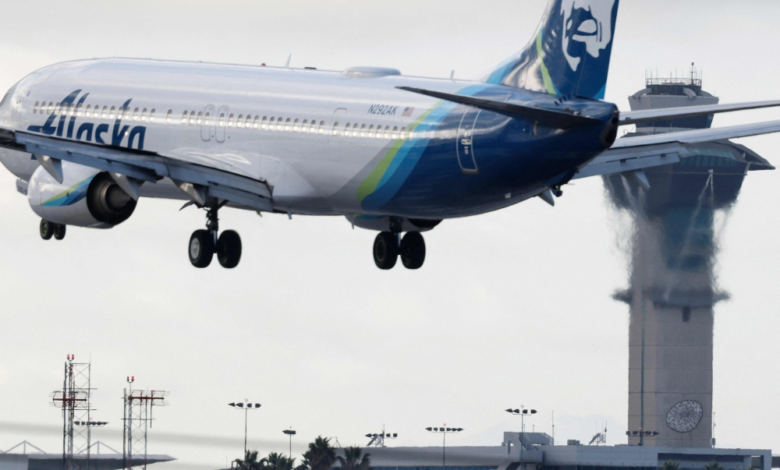
The US Federal Aviation Administration (FAA) issued a formal warning to commercial and private airlines, urging them to exercise extreme caution when flying in the airspace of Mexico and Central America. This warning, issued on Friday, comes in response to the detection of potential risks related to "military activities" that could affect air navigation safety in the region.
In a series of messages and statements addressed to pilots and air carriers, the authority explained that the current situation poses potential risks, specifically mentioning the possibility of significant technical interference with the Global Navigation Satellite System (GNSS/GPS). The authority has set the timeframe for this warning at 60 days, necessitating continuous monitoring of developments in the region.
Background to weather warnings and the importance of navigation systems
Warnings issued by the US Federal Aviation Administration (FAA) are a primary reference for airlines worldwide, not just US carriers, due to the agency's rigorous risk assessment standards. Satellite navigation systems (GPS) are the backbone of modern aviation, as aircraft rely on them to accurately determine position, speed, and altitude. Any interference with these signals, whether intentional (such as from military exercises) or accidental, may force pilots to rely on inertial navigation systems or traditional ground-based aids, increasing the workload in the cockpit and requiring heightened vigilance.
Regional context and impact of military activities
This airspace over Mexico and Central America is of major strategic importance, serving as a vital corridor for flights connecting North and South America. Such warnings are typically issued when military exercises, tests of defense systems, or unannounced air operations are taking place that may not be fully coordinated with civil aviation. Historically, these proactive measures aim to prevent unintended air incidents and ensure a safe separation between civilian aircraft and military operations.
Expected actions from airlines
In response to this warning, airlines are expected to review their flight plans for routes passing through these airspaces. Precautionary measures may include adjusting flight paths to avoid the most dangerous areas or carrying additional fuel supplies in case of any emergency requiring diversion or delay. Pilots will also be instructed to immediately report any anomalies in navigation system readings or interruptions in communication signals to ensure the safety of passengers and aircraft under these exceptional circumstances.