Tehran explosions: Israel announces preemptive strike and regional escalation
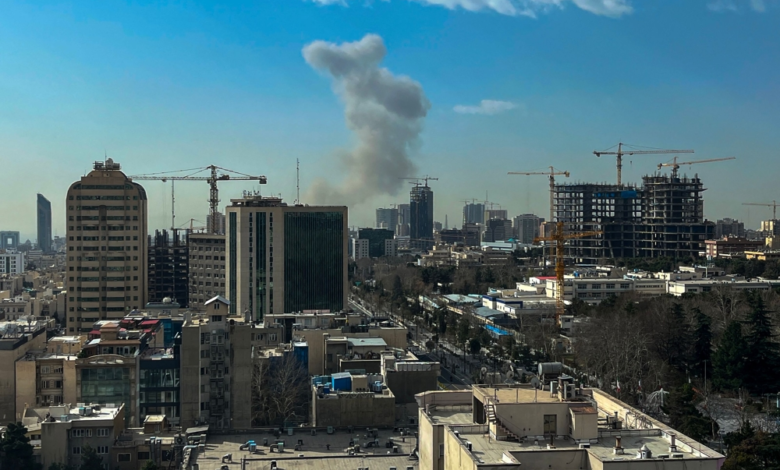
Mysterious explosions in the heart of the Iranian capital
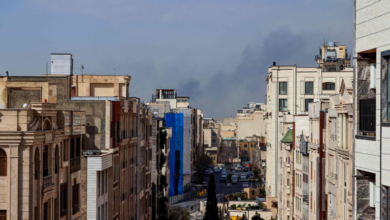
The Iranian capital, Tehran, awoke Saturday morning to two loud explosions, sparking widespread panic and apprehension. According to initial reports from journalists and international news agencies, plumes of thick smoke were seen rising into the sky over central and eastern Tehran, suggesting that sensitive sites had been targeted. The Iranian news agency Fars reported that the nature of the explosions suggested a missile attack, without providing further details about the targets or the extent of potential damage and casualties in the immediate aftermath.
A quick and direct Israeli announcement
In a striking and swift development, Israel left no room for speculation, with the Israeli Ministry of Defense almost immediately claiming responsibility for the attack, describing it as a “preemptive strike” against Iran. The ministry confirmed in a statement that “the State of Israel launched a preemptive strike against Iran,” a declaration that marked a departure from Israel’s long-standing policy of ambiguity regarding its foreign operations. Simultaneously, sirens wailed in Jerusalem, and the Israeli Home Front Command issued a “very serious” warning via mobile phones to residents. The Israeli Defense Minister also declared an immediate state of alert across the country, reflecting preparations for a potential Iranian response.
Historical context of the “shadow war”
This direct escalation marks a new chapter in a long series of indirect confrontations known as the “shadow war” between Iran and Israel. For years, the two sides have exchanged blows on multiple fronts, including cyberattacks targeting critical infrastructure, mysterious acts of sabotage against key Iranian nuclear facilities such as Natanz, and a series of assassinations targeting prominent scientists in the Iranian nuclear program. The confrontation has also extended to the seas, with attacks on commercial vessels and oil tankers belonging to both countries. However, this direct attack on Tehran, with Israel officially claiming responsibility, brings the conflict out of the shadows and into the open, raising the risk of a full-blown military confrontation.
The importance and potential effects of escalation
This attack carries serious repercussions at the local, regional, and international levels. Domestically, it places immense pressure on the Iranian leadership to respond forcefully to save face, potentially leading to a tightening of security measures within the country. Regionally, this development threatens to destabilize the entire Middle East, as Iran may resort to activating its network of proxies in the region, such as Hezbollah in Lebanon and the Houthis in Yemen, to launch retaliatory attacks, thus opening the door to a wider regional war. Internationally, the world is watching this escalation with grave concern, fearing its impact on global energy markets and the security of navigation in vital waterways like the Strait of Hormuz. International calls for restraint and the avoidance of a devastating war with dire consequences for international peace and security are expected to intensify from major powers.