Mosque explosion in Nigeria: 7 people killed in Borno State
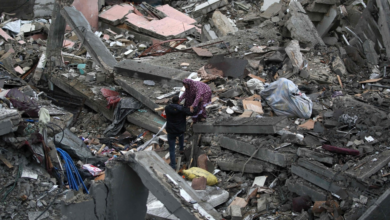
Seven people were killed today in a tragic incident when an improvised explosive device detonated inside a mosque in Maiduguri, the capital of Borno State in northeastern Nigeria. This attack underscores the serious security challenges facing the region.
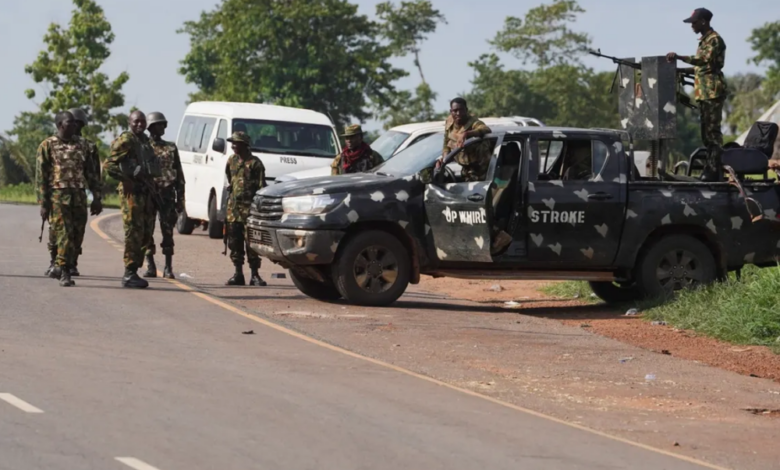
The local commander in the area, Abubakar Kolo, stated in a press conference that the attack was carried out with precision using an improvised explosive device planted inside the mosque, resulting in this number of casualties in a place of worship. As of yet, no armed group has claimed direct responsibility for this terrorist act, but suspicion often falls on militant groups active in the region in such incidents.
Background of the conflict in Borno State
Maiduguri and Borno State in general have been the epicenter of Nigeria's ongoing conflict for over a decade. This region is the historical stronghold and birthplace of the Boko Haram militant group, which launched its armed insurgency against the Nigerian state in 2009. Despite intensive military efforts by the Nigerian government, supported by regional alliances, the region continues to experience sporadic attacks targeting both civilians and security forces.
Tactics for targeting places of worship
Targeting mosques and places of worship is not a new tactic in the context of the Nigerian conflict. Armed groups, including the Islamic State West Africa Province (ISWAP), a Boko Haram splinter group, have long targeted large gatherings of people to inflict maximum casualties and spread terror among the population. These attacks typically aim to destabilize society and demonstrate the authorities' inability to protect citizens in their most sacred places.
Humanitarian and security impact
This protracted conflict has created a catastrophic humanitarian crisis in the Lake Chad Basin, where the United Nations and human rights organizations estimate that more than 40,000 people have been killed and nearly two million displaced since the violence erupted. Hundreds of thousands live in camps for internally displaced persons, often lacking basic services, making them vulnerable to further attacks and exploitation.
This latest explosion serves as a stark reminder that the fight against terrorism in West Africa is far from over, calling for comprehensive security and development strategies to address the root causes of extremism and protect vulnerable civilians in troubled areas.