Egg freezing in Saudi Arabia: A medical solution to address declining fertility rates
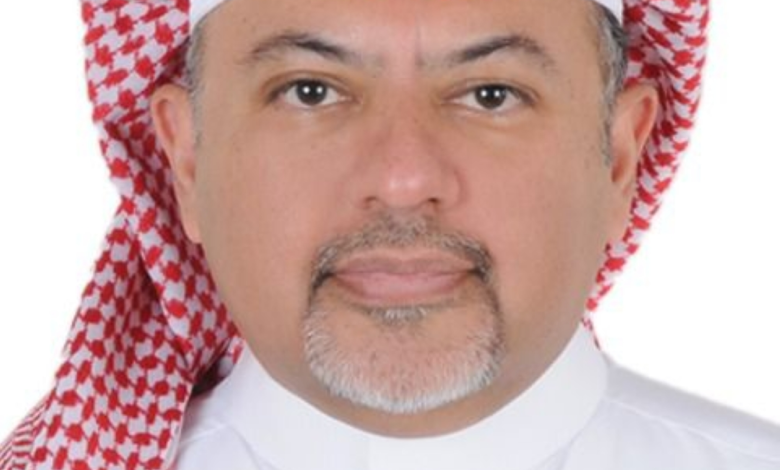
Dr. Nabil bin Mohammed Ijaz Brasha, a consultant in infertility, IVF and gynecological endoscopy at King Abdulaziz Medical City of the National Guard in Jeddah, confirmed that the demographic shifts taking place in the Kingdom of Saudi Arabia, represented by the sharp decline in birth rates , are no longer just passing statistical figures, but have become a vital indicator that calls for innovative solutions, including seriously considering the option of “egg freezing” as one of the preventive medical solutions.
Historical transformations in the structure of the Saudi family
Over the past four decades, Saudi society has witnessed radical transformations in its social and economic structure. While extended families and large families were prevalent in the 1980s, with the average family size reaching approximately seven children in 1985, the landscape changed completely with the dawn of the new millennium. Recent studies, including one from Princess Nourah University , indicate that this average will decline to around two children by 2024.
This fundamental change coincides with the empowerment of Saudi women and their increased active participation in the labor market , the rise in the level of education, and the change in living priorities, which has naturally led to a delay in the age of marriage and the postponement of decisions regarding having children.
Dr. Nabil bin Mohammed Ijaz Brasha
Egg freezing: A medical solution with a social dimension
In the context of proposed solutions, Dr. Brasha explained that declining fertility is not necessarily a rejection of the family unit, but rather a result of anxiety about missing out on biological opportunities due to life circumstances. This highlights the role of egg freezing as a modern medical option that can play a pivotal role in supporting women's psychological and social well-being.
He pointed out that making this option available, in accordance with strict legal, medical and ethical controls, gives women future security and an opportunity to have children later if they have passed the ideal age for pregnancy, which reduces the psychological and physical pressure on them, and contributes to preserving the fertility of society in the long term.
Expected economic and demographic impacts
Dr. Bracha warned that continued population decline without well-considered interventions would lead to profound economic and social consequences, including:
- Population aging: A shrinking productive youth base versus an increasing number of elderly people, putting enormous pressure on pension and social care systems.
- Healthcare challenges: rising rates of chronic age-related diseases, and an increasing need for long-term medical services instead of maternal and child health services.
- Changing consumption patterns: a decrease in future demand for schools and universities, versus an increase in demand for care homes and specialized health services.

A holistic vision for supporting the family
Dr. Brasha concluded by emphasizing that the solution lies not only in the medical field, but requires concerted efforts across various sectors. He called for the adoption of comprehensive policies that include:
- Providing family-friendly work environments that support a balance between professional and social life.
- Promoting the mental health of newlyweds and providing family counseling programs to address anxiety about the future.
- Improving support services for childcare and developing housing policies that encourage early settlement.
Achieving a sustainable population balance requires community awareness and institutional integration to ensure the vitality of Saudi society and safeguard the future of its coming generations, in line with the goals of quality of life and sustainable development.