The Ministry of Education is training 8,000 specialists to integrate people with disabilities within the framework of Vision 2030
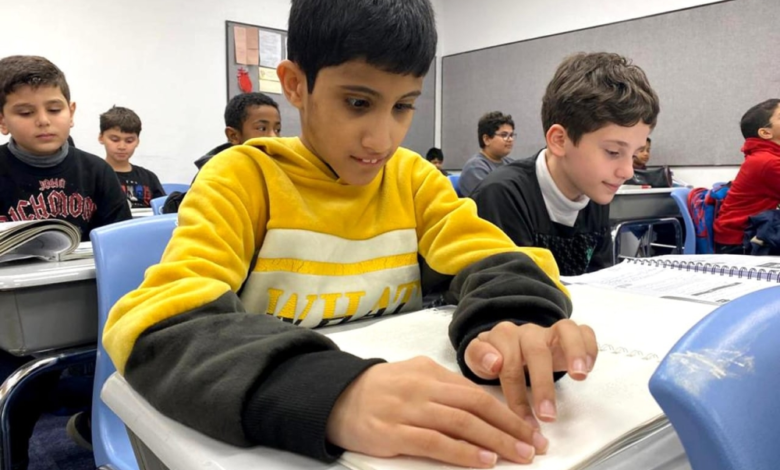
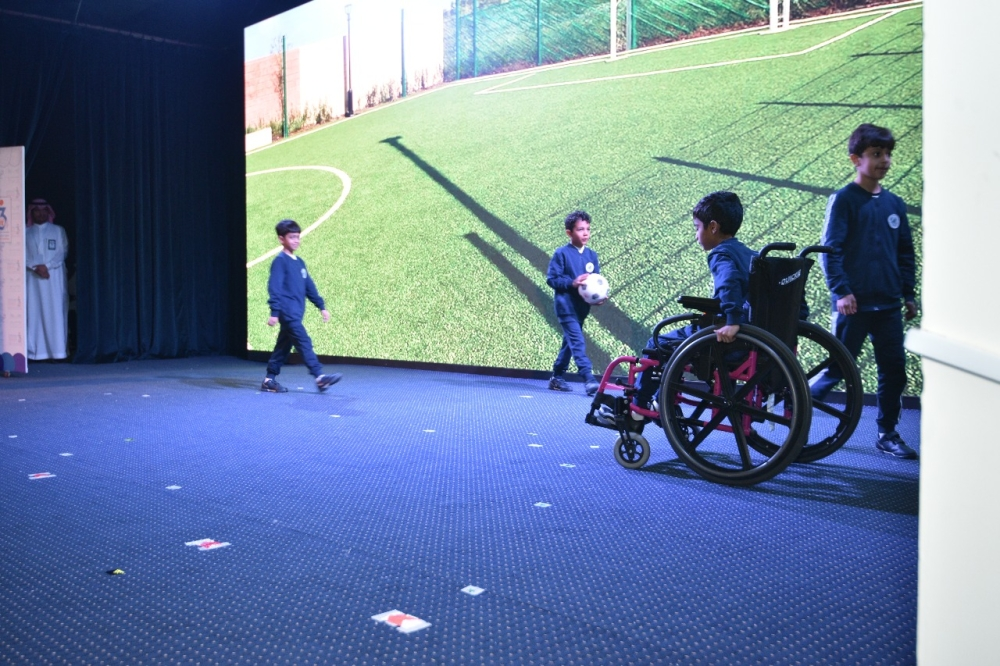
the Ministry of Education launched a comprehensive package of specialized training programs under the umbrella of the "Inclusive Learning Journey" initiative. This initiative, sponsored by the Deputy Minister, Dr. Saad Al-Harbi, aims to bring about a qualitative shift in the special education sector by training 8,000 educational professionals and equipping them with the latest international methodologies for integrating students with disabilities into mainstream schools.
Context of the initiative and Vision 2030
This step falls within the objectives of the Human Capacity Development Program, one of the programs of the Kingdom's Vision 2030, which seeks to ensure that all segments of society have access to equal and high-quality educational opportunities. The shift from segregation in special education institutions to full inclusion in mainstream schools is a modern global trend aimed at enhancing the social and academic skills of students with disabilities, reducing the gap between them and their peers, and facilitating their future integration into the labor market and society.
Training and knowledge transfer mechanism
The educational initiative has officially launched with the training of the first cohort of 228 central trainers representing various education departments across the regions and governorates. This model is based on the "Training of Trainers" (TOT) strategy, whereby these elite individuals will transfer knowledge and localize expertise within the educational field, gradually reaching the ultimate goal of training approximately 8,000 teachers and specialists. This well-planned expansion ensures the sustainability of the educational impact and the standardization of professional practices in all schools throughout the Kingdom.
Employing modern technology and methodologies
What distinguishes this initiative is its heavy reliance on digital transformation and emerging technologies; the training packages incorporated virtual reality (VR) and augmented reality (AR) technologies. These technologies allow students to train life and social skills in safe, simulated environments, reducing risks and increasing the effectiveness of learning before real-world application.
The programs were also based on sound scientific models, most notably:
- Multi-level support model (MTSS): To ensure that graded educational and behavioral responses are provided that accurately meet the individual needs of each student.
- Applied Behavior Analysis (ABA): As an effective tool for developing classroom strategies and adjusting classroom management, creating a stable and productive learning environment for all.
Expected impact: Less restrictive environments
This integrated system aims to implement the concept of "Least Restrictive Environments" (LRE), a universal legal and educational principle that grants students with disabilities the right to learn alongside their peers to the fullest extent possible. By training assessment and diagnostic specialists in the use of formal and informal tests, the Ministry ensures the accurate identification of needs, thereby providing the appropriate support services that guarantee successful inclusion.
In conclusion, these efforts represent a fundamental pillar in developing professional practices and bridging the historical gap between general education and special education, thus placing the Kingdom among the leading countries in the field of care and education for people with disabilities.