Congo-Burundi border crossing reopens after two months of closure
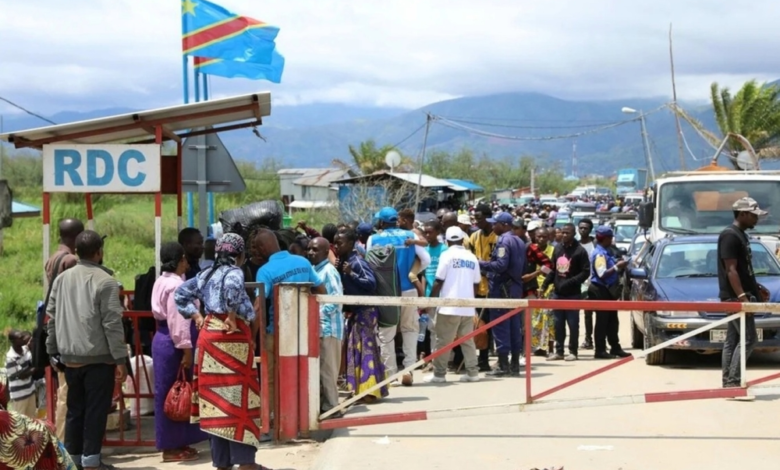
In a move reflecting improved security and signs of a return to normalcy, authorities in both the Democratic Republic of Congo and Burundi announced the reopening of the main border crossing between the two countries today, after a closure of more than two months. This decision ends a period of economic and social paralysis that affected communities on both sides of the border and sends a message of hope for greater stability in the African Great Lakes region.
Background to the lockdown and the security context
Burundian authorities closed their border with the Democratic Republic of Congo on December 10 as a precautionary measure following an attack by an armed rebel group that temporarily seized control of the town of Uvira in Congolese South Kivu province. This strategic town lies on the main road connecting it to Burundi's economic capital, Bujumbura. This security development raised serious concerns in Burundi, prompting them to secure their border by completely halting all crossings, thus disrupting a vital artery for trade and the movement of people.
The strategic importance of the crossing and the impact of the closure
The border crossing between Uvira and Bujumbura is more than just a crossing point; it is a vital artery for the local and regional economy. Thousands of families and traders rely on this crossing to market their agricultural produce, transport manufactured goods, and maintain social and familial ties that extend across the border. During the lockdown, traders suffered significant losses, and supply chains were disrupted, leading to soaring prices for essential commodities in border areas. Residents also faced difficulties accessing basic services such as healthcare and education that might be available on the other side of the border.
Regional and international dimensions of reopening
The reopening of the border crossing is significant beyond the borders of the two countries, as it comes within the context of broader regional efforts, led by the East African Community (EAC), to stabilize eastern Democratic Republic of Congo, which has been plagued by armed conflict for decades. This step is seen as a gesture of goodwill and a sign of improved security coordination between Kinshasa and Bujumbura, which is essential to addressing the shared security challenges posed by cross-border armed groups. Internationally, partners and the United Nations welcome such developments, which contribute to easing tensions, strengthening diplomacy as a means of conflict resolution, and facilitating humanitarian access to those affected by insecurity. The resumption of traffic through this vital crossing is not only an economic boost but also a testament to the resilience of local communities and their desire for peace and cooperation.