Democratic Republic of Congo: International appeal after the Rubaya mine disaster
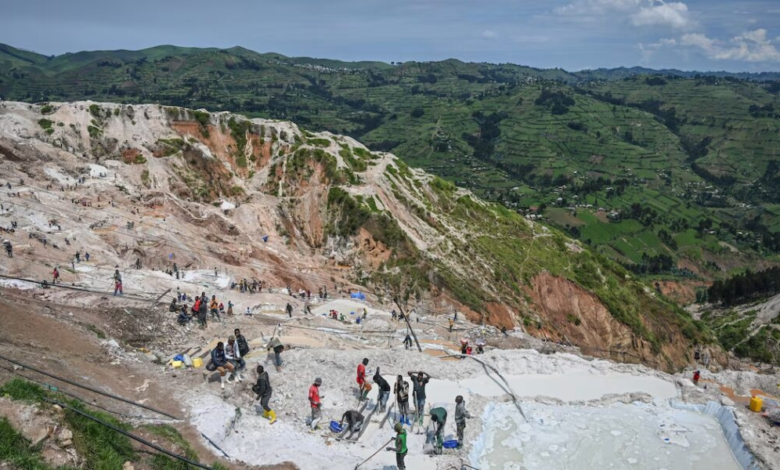
The government in Kinshasa issued an urgent appeal to the international community, calling for immediate intervention and recognition of the scale of the humanitarian and economic tragedy unfolding in the east of the country. It described the situation as a direct result of an “armed occupation and systematic looting” led by the M23 rebel movement, allegedly with the support of neighboring Rwanda. This diplomatic move came in the wake of the horrific disaster at the Rubaya mining site.
Humanitarian disaster in the heart of the coltan mines
The Democratic Republic of Congo has expressed grave concerns that at least 200 people may have died in a massive landslide that struck Rubaya, one of the world's largest coltan mines, on Wednesday. The mine is currently controlled by the M23 armed group. Initial reports indicate that a section of a mountainside in the sprawling mining area collapsed, followed by another landslide on Thursday morning, exacerbating the disaster and hindering rescue efforts.
The strategic and economic importance of the Rubaya site
The scale of this disaster cannot be understood without considering the strategic importance of the site; the Rubaya mine alone produces between 15% and 30% of the world's total coltan output. This mineral, from which tantalum is extracted, is the lifeblood of modern technology industries, playing a key role in the manufacture of smartphones, laptops, and electric vehicles. Geological estimates indicate that eastern Democratic Republic of Congo holds a vast reserve of this vital mineral, estimated at between 60% and 80% of the world's total, making it a constant flashpoint of conflict and a target for armed groups.
The historical context of the conflict in eastern Congo
This incident comes within a complex historical context, as eastern Democratic Republic of Congo has been plagued by bloody conflicts for nearly 30 years, fueled by ethnic tensions and the desire for mineral wealth. The M23 (March 23 Movement) has resurfaced with force, controlling large swathes of North Kivu province, including the strategic city of Goma and the Rubaya mines, since April 2024. Kinshasa and UN experts accuse Rwanda of providing the movement with military and logistical support to facilitate mineral smuggling, an accusation Kigali consistently denies.
Parallel administration and war economy
UN experts have revealed that the M23 movement has not only established military control but has also created a parallel administration mimicking state structures in the areas under its control. This includes the establishment of a quasi-ministry of minerals that issues permits to miners and collects taxes on mining activities, generating hundreds of thousands of dollars monthly for the movement. These substantial revenues are used to finance military operations and purchase weapons, thus prolonging the conflict and complicating the prospects for peace.
Documentation difficulties and the field situation
With communication networks disrupted and the remote region isolated from which government officials and civil society organizations have fled, accurate information on the number of victims remains dependent on announcements from the de facto rebel authorities. The rebel-appointed governor of North Kivu province, Eraston Bahati Musanga, stated that there were at least 200 dead, while other rebel officials confirmed that the recovery of bodies from under the rubble was ongoing, amid a complete absence of government or independent international rescue teams.