Power outages in the Dominican Republic: their causes and impact on life
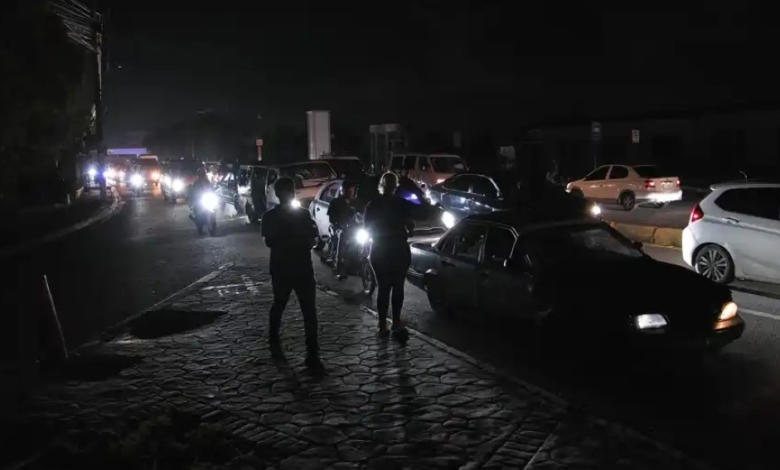
Large parts of the Dominican Republic, including the capital Santo Domingo, were plunged into darkness on Monday following a major failure in the national power grid, causing widespread disruption and paralyzing essential services. The state-owned electricity transmission company, ETED, announced that a “major failure in the interconnected national grid” was the cause of the widespread blackout, which comes just four months after a similar incident left the entire country without power for hours.
Widespread chaos and disruption of vital services
The sudden blackout caused widespread chaos in the capital's busy streets, with traffic lights failing and gridlock ensuing. The Santo Domingo metro system also came to a standstill, leaving thousands of commuters stranded and forced to seek alternative transportation. Reporters in the capital confirmed the power outage affected large parts of the city, while technical teams from ETED (the electricity company) worked to identify the source of the fault and gradually restore service.
Context of the crisis: A chronic problem in the energy sector
This outage is not an isolated incident, but rather a symptom of a chronic crisis that has plagued the Dominican Republic's energy sector for decades. Power cuts, or "apagones" as they are locally known, are a part of daily life for citizens and can last for hours. This recurring problem is attributed to dilapidated infrastructure, a lack of investment in maintenance and modernization, as well as technical malfunctions and illegal connections that place immense strain on the grid and cause significant technical and commercial losses for distribution companies.
The economic and tourism impact of power outages
The impact of the power outages extends far beyond mere daily inconvenience, resulting in significant economic losses. Small businesses, factories, and shops cease operations, impacting productivity and revenue. Internationally, this crisis threatens one of the pillars of the Dominican economy: the tourism sector. Resorts and hotels in popular destinations like Punta Cana rely entirely on uninterrupted service. The recurring power cuts damage the country's reputation as a reliable tourist destination and could lead to a decline in bookings from tourists seeking a comfortable and hassle-free experience. This incident underscores once again the urgent need for fundamental reforms and substantial investments in the energy sector to ensure the country's stability and support its future economic growth.