Denmark and the US dispute over Greenland: military escalation and strategic ambitions
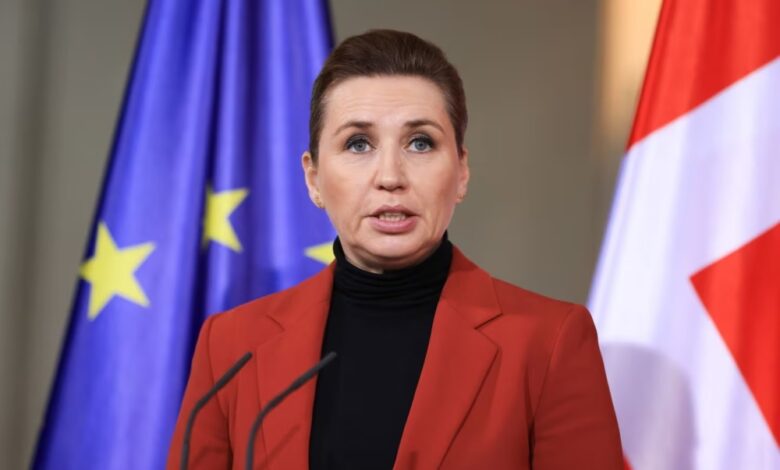
Danish Prime Minister Mette Frederiksen confirmed a fundamental and deep disagreement with the United States regarding the future of Greenland, indicating that Washington remains determined to maintain control over the self-governing island, which is part of the Danish crown. These strongly worded remarks came a day after a high-level meeting at the White House between officials from Denmark, Greenland, and the United States, which failed to bridge the gap between the two sides.
While the formation of a joint "working group" between the two countries was announced, Frederiksen downplayed the significance of this step, stating that it "does not change the fact that there is a fundamental disagreement, as the American ambition to control Greenland remains unchanged." She added in a strongly worded official statement: "This is, of course, a serious matter that touches upon national sovereignty, and we are continuing our diplomatic and security efforts to prevent this scenario from becoming a reality.".
White House talks fail
The trilateral meeting held Wednesday in Washington ended without an agreement, with Danish Foreign Minister Lars Løkke Rasmussen describing the disagreement as "fundamental." Following the meeting, Rasmussen emphasized that there was no political or legal justification for the United States to seize the Arctic island, stating, "We were unable to change the American position. It is clear that the US administration has a strong desire to exert its influence over Greenland, and we have made it abundantly clear that this is not in the interest of the Kingdom of Denmark or the people of Greenland.".
The strategic importance of Greenland: Why is Washington so insistent?
To understand the depth of this dispute, one must consider the immense geopolitical importance of Greenland. Historically, this is not the first time Washington has shown interest in the island; President Harry Truman's administration offered to purchase it in 1946 due to its strategic location. Today, the island's importance is amplified for several reasons:
- Military location: The island is home to the US Thule Air Base, the northernmost US military base, which plays a vital role in the ballistic missile early warning system and space surveillance.
- Natural resources: With the melting of the ice in the Arctic, Greenland has become the focus of attention for the great powers because of its rare mineral wealth, oil, and gas, making control of it an economic and strategic gain in the face of growing Chinese and Russian influence in the region.
- Shipping lanes: Opening new shipping lanes in the Arctic enhances the island's position as a gateway to controlling future trade routes.
Military reinforcements and European solidarity
In an escalation of its efforts to secure the island, Denmark announced it would be deploying additional troops to Greenland. This coincided with pledges from allied European nations to send military missions to support Copenhagen in maintaining its sovereignty. Foreign Minister Mette Frederiksen confirmed there was broad consensus within NATO that strengthening the military presence in the Arctic Circle was a cornerstone of both European and North American security.
The Prime Minister concluded her remarks by emphasizing that "Denmark has invested heavily in developing its new polar capabilities," and thanked the allied countries currently participating in joint military exercises around Greenland, in a clear message affirming adherence to sovereignty and rejection of external pressures.