Denmark and Greenland: Security cooperation with Washington and a refusal to compromise sovereignty
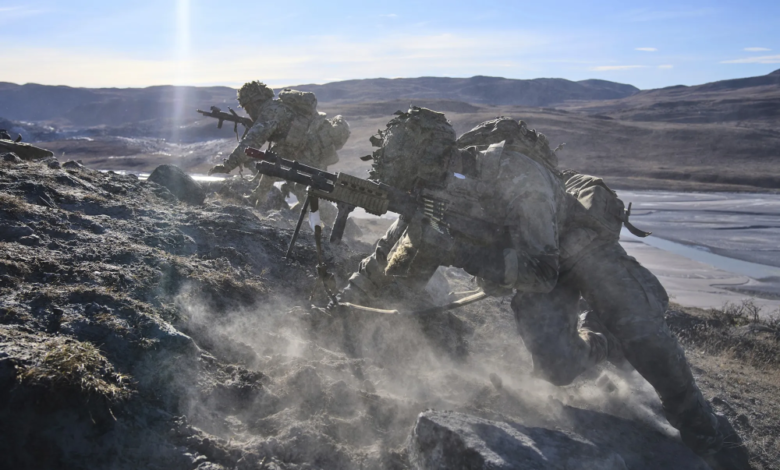
Danish Prime Minister Mette Frederiksen affirmed her country's firm and clear position regarding the future of Greenland, noting Copenhagen's desire to continue a "constructive dialogue" with its allies, primarily the United States and NATO, regarding security in the Arctic region, provided that this is done within the framework of full respect for the territorial integrity of the Kingdom of Denmark.
Sovereignty is non-negotiable
Frederiksen's decisive statements drew a clear line between strategic cooperation and relinquishing sovereignty. In an official statement responding to discussions about the Allies' role on the island, Frederiksen said: "We can negotiate on all political matters: security, investments, and the economy... but we cannot negotiate our sovereignty... and I have been informed that this was not on the table." This statement effectively closes the door on any past or future speculation about the possibility of "buying" the island or changing its political affiliation outside the framework of the Danish constitution and the wishes of its inhabitants.
Historical background: From "purchase deal" to strategic partnership
These statements cannot be separated from the context of Danish-American relations in recent years, particularly when former US President Donald Trump sparked global controversy in 2019 by expressing his desire to buy Greenland, an idea Frederiksen at the time described as "absurd," leading to a temporary diplomatic strain. However, this event significantly highlighted the island's growing importance. Greenland already hosts Thule Air Force Base (now known as Petavik Space Base), the northernmost US military base and a cornerstone of the US and NATO missile early warning system since the Cold War.
The geopolitical importance of the Arctic
Greenland is gaining increasing strategic importance that goes beyond its geographical size, for several reasons that make it the focus of attention for the great powers:
- Military location: The island is considered a gateway to the Arctic and a strategic buffer zone between North America and Russia, especially with the increasing Russian military activity in the Arctic region.
- Natural resources: As the ice melts as a result of climate change, Greenland's vast mineral wealth, including rare earth minerals, oil and gas, is becoming more extractable, whetting the appetite of international investment.
- New shipping routes: Melting ice opens up new shipping lanes that could shorten global trade routes, making control or influence in this region vital to the global economy.
The future of the relationship between Denmark, Greenland and the Allies
Greenland enjoys broad self-governance within the Kingdom of Denmark, managing its internal affairs while Copenhagen retains responsibility for foreign policy and defense. Recent statements underscore Denmark's pursuit of a delicate balance: strengthening its alliance with Washington and NATO to ensure regional security against escalating threats (particularly from Russia and China), while simultaneously safeguarding the dignity and sovereignty of Greenlanders and the Danish state. The message is clear: Denmark is open to military and economic investment, but its land and identity are not for sale.