Delhi airport disruptions: 480 flights cancelled or delayed due to fog
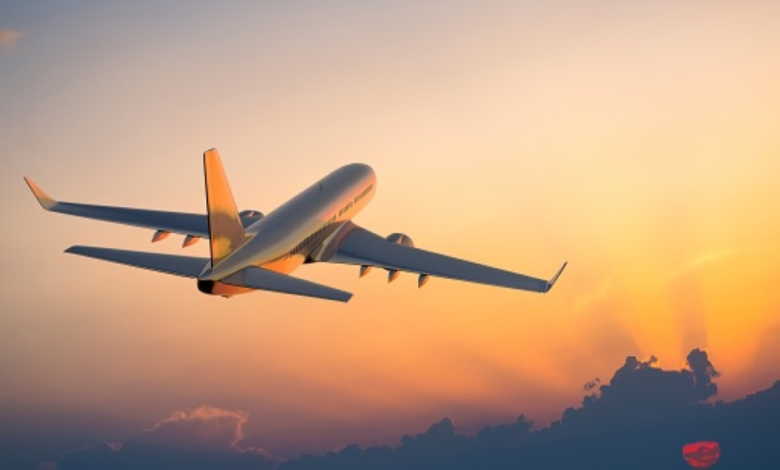
Delhi International Airport (Indira Gandhi) experienced partial paralysis and widespread disruption to air traffic today, as authorities announced the cancellation of a total of 110 flights, in addition to the delay of more than 370 other flights, as a result of the sharp decline in horizontal visibility levels caused by waves of dense fog hitting the Indian capital.
Official figures and data details
In detailing the statistics surrounding this crisis, an airport official reported that 59 arriving flights and 51 departing flights were canceled, according to the Press Trust of India (PTI). These figures reflect the extent of the hardship faced by both travelers and airlines in dealing with these severe weather conditions.
On the other hand, according to the latest data available on the global flight tracking website Flightradar24.com, the number of delayed flights has exceeded 370, with the average delay time for departure flights at the airport reaching about 26 minutes, which is enough time to cause confusion in interconnected flight schedules and international flights.
Seasonal context: Delhi winter and annual fog
This is not an isolated incident, but rather part of a recurring seasonal phenomenon that affects northern India annually. During December and January each year, temperatures drop significantly in New Delhi and the surrounding areas, contributing to the formation of thick layers of fog and smog, which are often exacerbated by high pollution levels and calm winds. This weather phenomenon regularly reduces visibility to less than 50 meters at times, disrupting operations not only at airports but also impacting railway and highway networks.
Strategic importance and impact of the event
This news is particularly significant given Indira Gandhi International Airport's status as India's busiest airport and a major hub for air traffic in South Asia. Any disruption to this vital artery not only affects domestic flights but also has a domino effect on international flights and air cargo traffic, causing financial losses for airlines and disrupting the schedules of thousands of passengers.
Although the airport is equipped with advanced Category III (CAT III) landing systems that allow aircraft to land in extremely low visibility conditions, the density of fog sometimes exceeds the technical capabilities allowed to conduct safe operations, forcing air traffic controllers to reduce the number of flights or divert them to alternative airports to ensure the safety of passengers and aircraft.