Death of Thuraya Qabil: The passing of a pioneer of Saudi lyric poetry and the voice of Jeddah
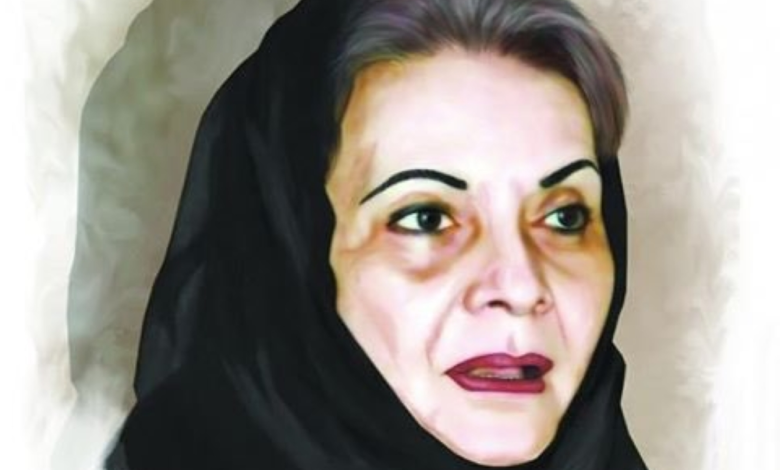
The cultural and artistic circles in Saudi Arabia and the Arab world were deeply saddened today by the news of the passing of the great poet Thuraya Qabil , who left behind a rich poetic and lyrical legacy that has become a landmark in the history of modern Saudi literature. The deceased is considered an exceptional female icon, having been the voice of Saudi women at a time when their presence in the cultural scene was just beginning.
A pioneer of women's writing and a challenge of beginnings
Thuraya Qabil's career cannot be reduced to that of a lyric poet; she is a historical symbol of women's pioneering spirit in the Kingdom. In 1963, she made history by publishing her collection "The Weeping Meters" in Beirut, the first collection of classical Arabic poetry published by a Saudi woman under her own name, breaking with the pseudonyms prevalent at the time. This publication was more than just a book; it was a social and cultural document that paved the way for generations of Saudi women writers who followed.
From the alley of the oppressed to the spaces of Beirut
Thuraya, the "Voice of Jeddah," was born in 1940 in the heart of Al-Mazloum neighborhood , one of Jeddah's oldest and most historic districts. She grew up an orphan, raised by her aunt, which shaped her strong and independent personality. The open environment of Jeddah, its commerce, and its authentic Hijazi culture were reflected in Thuraya's vocabulary, which blended the elegance of classical Arabic with the sweetness of the local dialect. She later moved to Beirut to study at the National College, where her journalistic and poetic talents blossomed. She worked in journalism, writing for major newspapers such as Al-Hayat and Al-Anwar, which broadened her Arab-wide reach.
Modern Saudi song maker
Thuraya Qabil's emotional poems marked a turning point in Saudi song, as she collaborated with leading composers and singers, forming a golden duo with the late Fawzi Mahsoum . Among her most prominent works that have become etched in the memory of the Arab public are:
- After joking and playing: which is one of the most famous classic Saudi songs.
- "Gently reproach me": which is characterized by the gentleness of the reproach and the Hijazi vocabulary.
- Jani Al Asmar: The song that was sung by great artists.
- No, by God: a song sung by the Arab artist Mohammed Abdo.
Thuraya Qabil succeeded in transforming women's poetry from mere personal expression into a popular anthem sung by millions, rightfully earning her the title "Mother of Saudi Song." With her passing today, a bright chapter in the history of art closes, but her words will remain immortal in our hearts.