China sets a limit on electric vehicle energy consumption by 2026
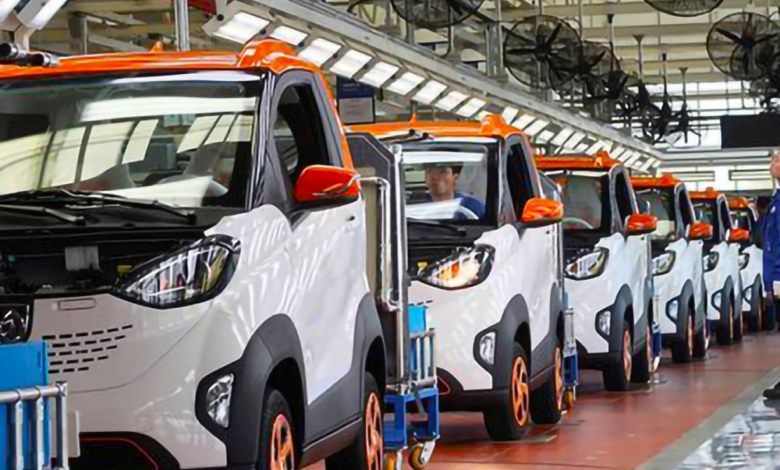
In a move that is the first of its kind globally, the Chinese National Market Regulatory Authority announced the implementation of a new government standard that imposes a mandatory ceiling on the level of energy consumption of electric vehicles. This decision is scheduled to officially come into effect starting in 2026. This decision comes to reshape the landscape of the clean car industry, as it focuses on operational efficiency rather than just increasing the size of batteries.
Details of the new technical standard
The regulatory body explained that the new standard for passenger cars sets precise requirements based on vehicle weight. Under these regulations, automakers will have to update their technologies to ensure energy consumption does not exceed certain limits. For example, an electric car weighing two tons must consume less than 15.1 kilowatt-hours per 100 kilometers traveled.
This technical measure aims to radically improve energy efficiency, as the authority expects that compliance with these standards will increase the average distance traveled by electric cars (driving range) by about 7%, addressing one of the most prominent consumer concerns regarding driving range.
Strategic context: From quantity to quality
China is the world’s largest market for electric vehicles, and the sector has experienced explosive growth in recent years, fueled by generous government support. However, this decision signals a strategic shift in Beijing’s policy, moving from a focus on quantity and increased sales to one on quality and technological excellence. Instead of producing cars with large, heavy batteries to maximize range, the new standard pushes manufacturers toward innovation in aerodynamics, motor technologies, thermal management systems, and lightweight construction to reduce energy loss.
Expected impacts locally and globally
This decision is expected to have far-reaching consequences beyond China's borders. Domestically, it will accelerate the exit of smaller companies unable to keep pace with technological advancements, thus strengthening the position of giants capable of investing in research and development. Globally, given the importance of the Chinese market, international automakers (European, American, and Japanese) selling their products in China will be forced to adapt their production lines to comply with these stringent standards. This could establish the Chinese standard as a new global benchmark for energy efficiency in the electric transportation sector, directly contributing to reducing strain on electricity grids and maximizing the environmental benefits of clean vehicles.