Dates with tahini: its benefits for those fasting and its risks for diabetics

Cultural heritage and prophetic legacy
With the arrival of the holy month of Ramadan, time-honored culinary traditions return to the iftar table, combining spiritual value with health benefits. Among these traditions is a dish of dates mixed with tahini and nuts. It is not merely a meal to break the fast, but a revival of a noble Prophetic tradition imbued with profound medical wisdom. Historically, dates have been a staple of the Arabian Peninsula's diet for millennia, serving as a primary source of energy and sustenance in a harsh desert environment. Tahini, made from sesame seeds, is another long-standing ingredient in Middle Eastern cuisine, renowned for its high nutritional value. This combination of the natural sweetness of dates and the rich texture of tahini creates a unique synergy that has become a symbol of generosity and hospitality on the Ramadan table.
Complete nutritional benefits for those fasting
Dr. Diaa Hussein, a specialist in rheumatology and osteoporosis, explained that after long hours of fasting, the human body is in dire need of a quick and safe source of energy to restore its balance. This is where the importance of dates lies, as they contain easily absorbed natural sugars such as glucose and fructose, which gradually and steadily raise blood sugar levels, thus protecting the fasting person from dizziness or sudden fluctuations in glucose levels. Dr. Hussein emphasized that the Prophetic tradition of beginning the fast with fresh or dried dates followed by water holds profound wisdom in preparing the stomach and digestive system to receive food gradually after a period of rest, thereby reducing digestive disturbances and feelings of bloating.
The benefits are amplified when tahini and nuts are added. The healthy fats and proteins in these additions slow the absorption of the sugars in the dates. This slower absorption ensures a longer-lasting energy supply and contributes to optimal blood sugar balance in healthy individuals. Tahini is also rich in essential minerals such as calcium, iron, and zinc, as well as antioxidants, which support heart health, strengthen the immune system, and promote bone density. Nuts, on the other hand, are a rich source of omega-3 fatty acids, which help lower bad cholesterol, and vitamin E, which enhances brain function and protects against age-related cognitive decline.
Medical warning: When does dates with tahini become a trap?
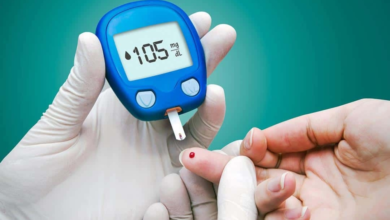
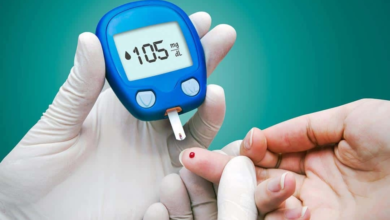
Despite its numerous benefits, Dr. Diaa Hussein cautioned that this dish could become a health trap for some groups, especially diabetics. The high sugar and calorie content of this mixture can lead to a sharp and dangerous spike in blood sugar levels if consumed excessively. He emphasized the importance of diabetics adhering to the portions prescribed by their doctor or nutritionist, closely monitoring their blood sugar levels, and always consulting with specialists. He added that excessive consumption of dates with tahini and nuts, even by healthy individuals, inevitably leads to high calorie intake, negatively impacting weight and undermining the opportunity to benefit from Ramadan as a month of health and moderation.
Tips to enjoy its benefits without harm
Dr. Diaa concluded his remarks by urging those fasting to adopt a balanced approach. He suggested enjoying the benefits of dates with tahini by limiting one to three dates at Iftar (the meal to break the fast). He emphasized the importance of diversifying food sources during both Iftar and Suhoor (the pre-dawn meal) to ensure the intake of all essential nutrients. He also recommended engaging in light physical activity after Taraweeh prayers, stressing that Ramadan presents a golden opportunity to readjust dietary habits and make moderation a sustainable lifestyle throughout the year.