Cyclone Ditwah devastates Sri Lanka: 159 dead, state of emergency declared
The tragic death toll from Cyclone Detwah , which recently struck Sri Lanka, has risen to 159, making it one of the worst natural disasters to hit the country this year. Rescue teams are still racing against time to find survivors, with official reports indicating that 203 people remain missing amid extremely difficult weather conditions that are hampering relief efforts.
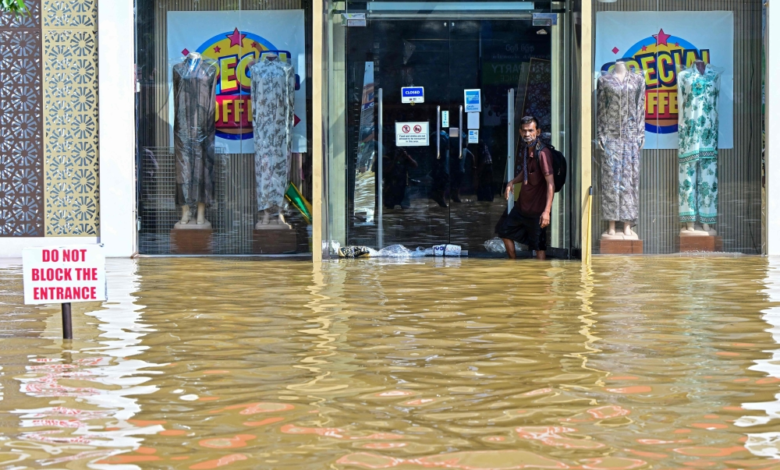
Sri Lanka's Disaster Management Centre reported that the situation in the commercial capital, Colombo, particularly in its northern part, is worsening as heavy rains continue. The water level in the Kelani River dangerously, flooding large areas of residential neighborhoods and main roads, turning streets into raging rivers and isolating residents from essential services.
The scale of the destruction and the humanitarian crisis
Initial statistics revealed the immense devastation left by the cyclone, with more than 20,000 homes completely or partially destroyed. Authorities were forced to evacuate approximately 122,000 people to temporary state-run shelters to ensure their safety. Reflecting the scale of the human suffering, it is estimated that more than 833,000 people were directly affected by the floods and mudslides and are in dire need of food, medical aid, and shelter.
Declaration of emergency and official action
Anura Kumara Dissanayake declared a state of emergency, mobilizing all state resources to address the aftermath of the devastating cyclone. The president made an urgent appeal to the international community and humanitarian organizations for assistance, emphasizing that the scale of the disaster exceeded current local capacities.
The geographical and economic context of the disaster
This disaster adds a heavy burden to Sri Lanka, the Indian Ocean island nation already grappling with significant economic challenges. Due to its geographical location, Sri Lanka is vulnerable to extreme weather events, particularly during the monsoon season. However, experts point out that global climate change has contributed to an increase in the intensity and frequency of cyclones in the Bay of Bengal and the Indian Ocean, placing the infrastructure of countries like Sri Lanka under increasingly severe and frequent tests.
Observers believe that the impact of Cyclone Ditwah will extend beyond direct human and material losses, affecting the already struggling local economy, particularly the agriculture and tourism sectors on which the country heavily relies. A swift international response is crucial in helping Colombo overcome this crisis and minimize its long-term repercussions for the population and the economy.