Four killed in naval clash between Cuba and US vessel near Havana
Deadly clash in Cuban waters
The Cuban Interior Ministry in Havana announced that four people were killed and six others injured aboard a U.S.-registered speedboat following an exchange of fire with the Cuban Coast Guard. According to the official statement released Wednesday, the incident occurred when a Coast Guard vessel approached the U.S.-registered boat to identify its occupants, but was met with gunfire from the speedboat, resulting in injuries to the Cuban vessel's captain.
The ministry added that the ensuing clash resulted in the deaths of four of the "attackers" aboard the foreign vessel and injuries to six others. Cuban authorities confirmed that the wounded were evacuated and received necessary medical care, while simultaneously emphasizing their firm commitment to protecting their territorial waters and maritime sovereignty against any illegal incursion.
A historical background of ongoing tension
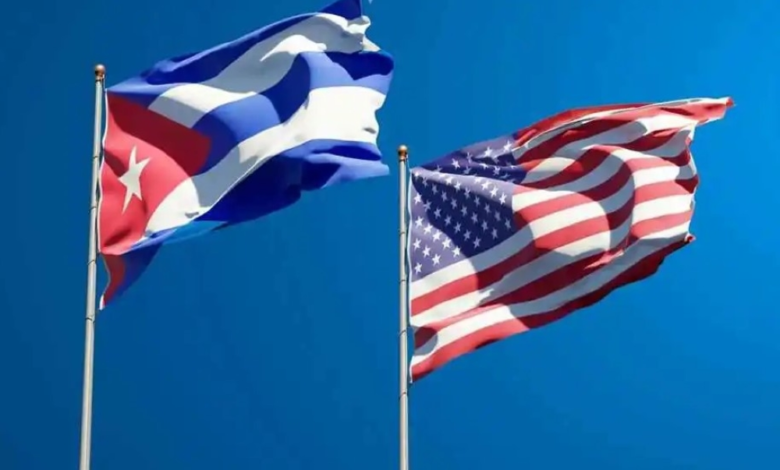
This incident further complicates the historically strained relations between Cuba and the United States, separated by a mere 160 kilometers across the Florida Straits. Since the Cuban Revolution of 1959, relations between the two countries have been marked by decades of hostility and an economic embargo imposed by Washington. This maritime area has long been the scene of numerous incidents related to illegal immigration and smuggling, with speedboats originating from Florida frequently used in perilous operations to transport people and goods illegally.
Significance and potential impacts of the accident
Domestically, this clash is expected to lead to increased maritime surveillance by Cuban authorities. Regionally and internationally, it threatens to derail any diplomatic efforts to improve relations between Havana and Washington. The incident coincides with a sensitive geopolitical context, as the US administration recently announced a partial easing of the oil embargo on Cuba, allowing the import of Venezuelan oil shipments “for humanitarian and commercial purposes” under a special license. This decision came after the island was deprived of Venezuelan supplies that had constituted half of its fuel needs, exacerbating its economic crisis. This security escalation could be used by hardliners in both countries as a pretext for adopting even more stringent positions, potentially returning relations to the high-pressure state that has prevailed for decades.