Cuba and America: Diaz-Canel sets the sole condition for dialogue with Trump
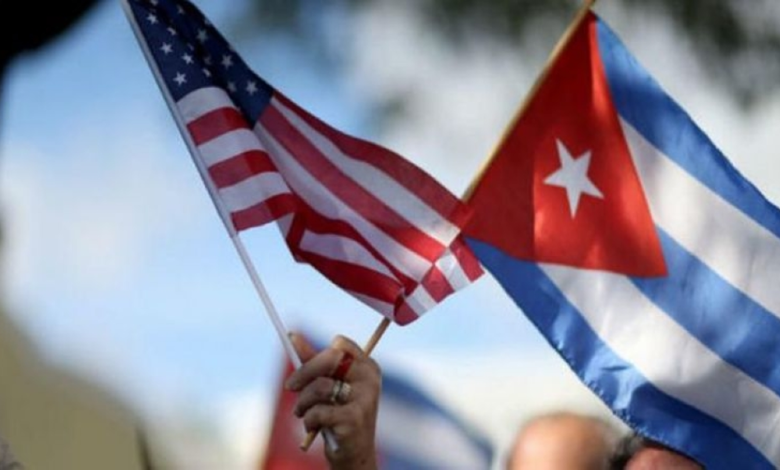
Amid unprecedented escalation of geopolitical tensions in the Caribbean, Cuban President Miguel Díaz-Canel announced his country's official position on the possibility of opening channels of communication with the United States on Friday. Díaz-Canel affirmed Havana's readiness to engage in constructive dialogue with the administration of President Donald Trump, stipulating as a fundamental condition mutual respect and equality, and ruling out any expectation of concessions that would compromise the island's national sovereignty or political system.
Historical context of strained relations
These statements come at a time when US-Cuban relations are experiencing one of their most complex periods since the Cuban Missile Crisis of the Cold War. For more than six decades, relations between the two countries have been characterized by persistent hostility and a crippling economic embargo imposed by Washington on Havana. Despite a brief thaw in relations under former President Barack Obama, the return of hardline policies has effectively reset the situation, with the current US administration seeking to exert maximum economic and political pressure to bring about a change in the Cuban power structure.
No compromise on sovereignty
In a passionate speech delivered in front of the US embassy in Havana, the Cuban president declared, "We will remain open to dialogue and improving relations between our two countries, but this must be on an equal footing and based on mutual respect." Díaz-Canel emphasized firmly that his country has no political concessions to offer, adding, "This will not be on the table for negotiations regarding rapprochement between Cuba and the United States," a clear indication of the rejection of any preconditions related to changing the nature of the ruling communist regime.
The repercussions of the Venezuelan crisis
The current escalation is closely linked to the dramatic developments in Venezuela, Cuba's primary strategic and economic ally in the region. American threats intensified following the January 3 raid by US forces in Caracas, which resulted in the arrest of Venezuelan President Nicolás Maduro. Reports indicate that 32 Cuban soldiers were killed during the operation, some of whom were part of Maduro's security detail, further complicating the situation and placing Havana in direct confrontation with Washington.
Economic pressure and the regime change scenario
US President Donald Trump did not stop at military threats, but also hinted at dire consequences if Havana did not comply with his conditions, going so far as to suggest that Foreign Minister Marco Rubio assume the presidency of Cuba, which is considered a blatant provocation to the Cuban leadership, given that Rubio, who is of Cuban origin, is one of the fiercest opponents of the regime on the island and constantly calls for its change.
Furthermore, the Cuban economy faces existential challenges following Washington's announcement of its control over Venezuelan oil and the cessation of shipments and aid to the island. Venezuela has been Cuba's main energy supplier since 2000, providing it with oil at preferential prices in exchange for medical and security services. Cutting off this vital lifeline could plunge Cuba into a severe energy crisis reminiscent of the hardships of the 1990s.
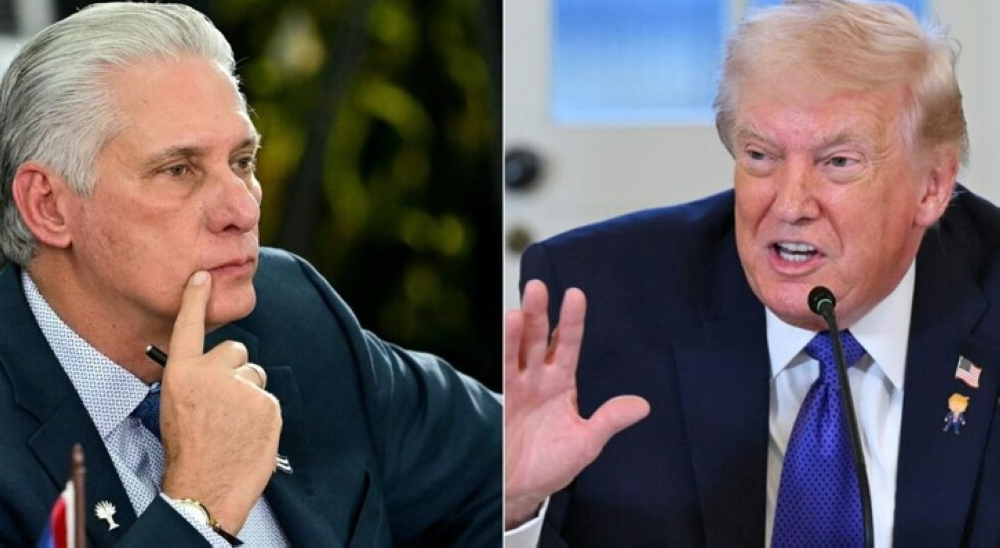
In closing, Miguel Diaz-Canel categorically denied the existence of any secret negotiations currently underway with the United States, thus refuting what the US president had stated, and affirming the steadfastness of the Cuban position in the face of increasing pressure.