Cuba declares state of war alert after escalating tensions with the United States
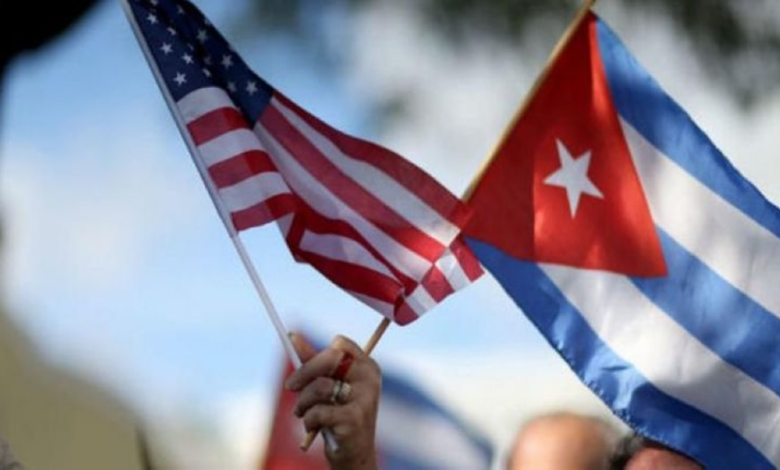
In a move reflecting the gravity of the current situation in the Caribbean, Cuba's National Defense Commission held an emergency meeting to assess the country's war readiness, according to Cuban state media on Sunday. This unprecedented security and military mobilization in Havana comes as a direct response to escalating tensions with the United States, particularly following the dramatic events in Venezuela, where US forces ousted President Nicolás Maduro.
Cuban President Miguel Diaz-Canel is personally overseeing these moves, as this is the first time the committee has met under his leadership to discuss war scenarios since he took power, indicating that the Cuban leadership is taking the American threats very seriously.
Details of the National Defense Council meeting
Under the constitution, Cuba's National Defense Commission assumes full control of the country's affairs in extreme emergencies, such as war or major natural disasters. The meeting held on Saturday had the specific objective of "raising the level of combat readiness and strengthening cohesion between command bodies and their military and civilian personnel.".
The official statement explained that the meeting focused on analyzing and approving the logistical and military plans and measures necessary for a rapid transition to a “state of war” in the event of an armed conflict with another country, a clear implicit reference to the United States. The statement did not elaborate on the specifics of the military plans, but experts believe that Cuba is relying on its defensive “people’s war” doctrine, developed since the 1960s, to counter any potential invasion.
Background to the conflict and repercussions of the Venezuela operation
This dangerous escalation comes after a U.S. special forces raid on January 3rd resulted in the capture of Venezuelan President Nicolás Maduro and his wife, Cilia Flores. Reports indicate that dozens were killed during the operation, including 32 Cuban soldiers who were part of Maduro's security detail, an act Havana considered a direct attack on its sovereignty.
Historically, relations between the United States and Cuba have been strained since the Cuban Revolution of 1959, when Washington imposed a comprehensive economic embargo on the island. Despite a brief thaw during the Obama administration, the Trump administration reverted to a policy of “maximum pressure,” targeting leftist regimes in Latin America, primarily Venezuela, Cuba, and Nicaragua, in what became known as the “troika of tyranny,” a term coined by the US administration.
Economic and geopolitical dimensions of the crisis
The tension is not limited to the military sphere; it extends to a fierce economic war. The US president announced a halt to oil shipments and aid to the island after declaring control over Venezuelan oil resources. This is a devastating blow to the Cuban economy, as Venezuela has been a lifeline for Havana since 2000, particularly since the rise of Hugo Chávez, serving as the primary supplier of oil at preferential prices in exchange for Cuban medical and security services.
The loss of its Venezuelan ally places Cuba in increasing regional isolation and evokes memories of the difficult “special period” the island experienced after the collapse of the Soviet Union in the 1990s. Nevertheless, in a speech delivered in front of the US embassy in Havana, the Cuban president affirmed his country’s readiness for dialogue, emphasizing the condition of “equality and mutual respect” and rejecting any political concessions that would infringe upon national sovereignty. He also denied the existence of any current secret negotiations with the Trump administration.