Cold wave in Saudi Arabia: Tarif records -3 degrees Celsius and frost in Rafha
Northern regions of Saudi Arabia experienced harsh winter weather on Wednesday, characterized by a sharp drop in temperatures that transformed some cities into white landscapes of frost. The National Center for Meteorology confirmed that this cold wave is the most severe since the beginning of winter this year, with temperatures reaching record lows below zero Celsius in several provinces, prompting warnings for residents to take precautions.
Record frost in Tarif and Al Qurayyat
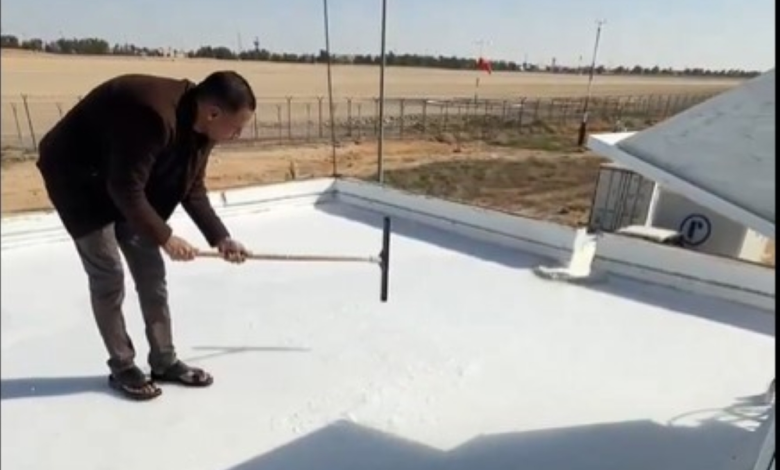
In detailing the weather situation, the official spokesperson for the National Center for Meteorology, Hussein Al-Qahtani, explained that climate readings recorded a significant drop in temperature, with the city of Tarif topping the list by recording the lowest temperature at -3°C, followed by the city of Qurayyat, which recorded -2°C. Al-Qahtani documented this weather event with a video showing the roofs of buildings in the city of Rafha covered with a bright white layer of frost, a scene reflecting the intense cold gripping the region.
Climate context: Why is the north of the Kingdom the coldest?
This cold wave is part of the typical climate of northern Saudi Arabia during January and February, as these regions are the first point of entry for polar air masses from Siberia and Europe. Cities like Tarif, Qurayyat, and Rafha are characterized by their geographical location and high altitude, making them susceptible to significantly lower temperatures compared to other parts of the Kingdom. These areas often experience snowfall or frost that blankets both desert and urban areas.
Weather forecast and safety alerts
According to the National Center for Meteorology's report, the impact of the cold air mass is not limited to the northern borders but extends to the Tabuk, Al-Jawf, and Hail regions, where cold to very cold weather prevails, with continued chances of frost formation in the early morning hours. Meanwhile, other areas are also affected by this weather system, with active surface winds stirring up dust and sand, which may lead to reduced horizontal visibility in parts of the Qassim, Riyadh, Eastern Province, and Najran regions, extending to the eastern parts of the southwestern highlands and the Makkah and Madinah regions.
In these conditions, experts advise adhering to safety instructions, especially regarding the use of traditional heating methods (coal and firewood) in enclosed spaces to avoid suffocation incidents, in addition to exercising caution while driving on external roads that may experience frost formation or reduced visibility due to dust.