Iran protests: 192 dead and warnings of an imminent massacre
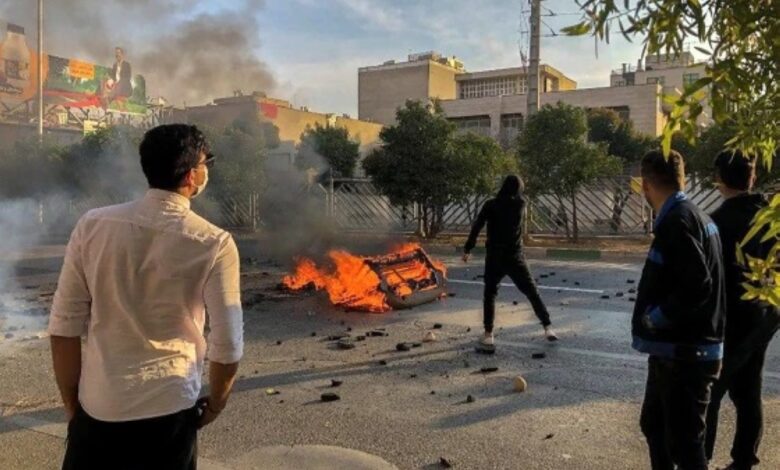
International human rights reports indicate a dangerous escalation of violence in Iran, with the death toll from two weeks of protests rising to at least 192, amid a media blackout imposed by authorities through internet shutdowns. Global concerns are growing that security forces may commit a large-scale massacre to suppress the popular movement, which began with economic demands and quickly transformed into a political uprising.
Historical context: The economy is the engine of popular anger
These protests represent the latest in a series of disturbances that have plagued Iran for decades, often sparked by economic decline. Since the 1979 Islamic Revolution, the country has faced numerous economic challenges, exacerbated by international sanctions and internal mismanagement. Observers note that the current protests, which began on December 28 with a strike by merchants in Tehran's bazaar, are reminiscent of past scenarios where demands related to the collapse of the currency and the erosion of purchasing power transformed into political slogans calling for a fundamental change in the structure of the regime.
The Islamic Republic, led by Supreme Leader Ayatollah Ali Khamenei, is facing unprecedented challenges, especially as this wave comes in the wake of regional and military tensions, which have increased the pressure on the Iranian public, which is suffering from a depletion of resources.
Digital blackout and fears of a "massacre"
In an attempt to control the flow of information, Iran has been experiencing a near-total internet blackout for over 60 hours, according to data from NetBlocks, an organization that monitors digital space. Human rights organizations have asserted that this disruption is intended to conceal the extent of the repression, suggesting that the true number of victims is far higher than what is being documented.
The Norway-based Iran Human Rights Organization (IHR) announced that it had verified the deaths of 192 protesters, a staggering increase from the previous count of 51 deaths on January 11. The Iran Human Rights Center warned that the situation amounted to a massacre, calling on the international community to take immediate action to stop the bloodshed. It cited horrific reports of hospitals overflowing with the wounded and running out of blood supplies, as well as security forces targeting protesters in sensitive areas such as the eyes.
Repercussions of repression and the official stance
On the ground, despite the digital blackout, videos leaked showing massive nighttime demonstrations in Tehran, Mashhad, and other cities, reflecting the public's determination to continue the movement. Meanwhile, the Human Rights Activists Network (HRANA) documented the deaths of 116 people linked to the protests, including security personnel, indicating the intensity of the clashes.
For its part, the Iranian authorities adopted a threatening tone, with officials acknowledging the economic hardships but vowing to decisively deal with "saboteurs." Iranian police chief Ahmad Reza Radan announced a widespread arrest campaign targeting what he called "key figures" instigating the protests, promising severe punishments against them—an indication of the regime's intention to pursue a security-based solution rather than a political one.