China warns its citizens in Iran as tensions escalate in the Middle East
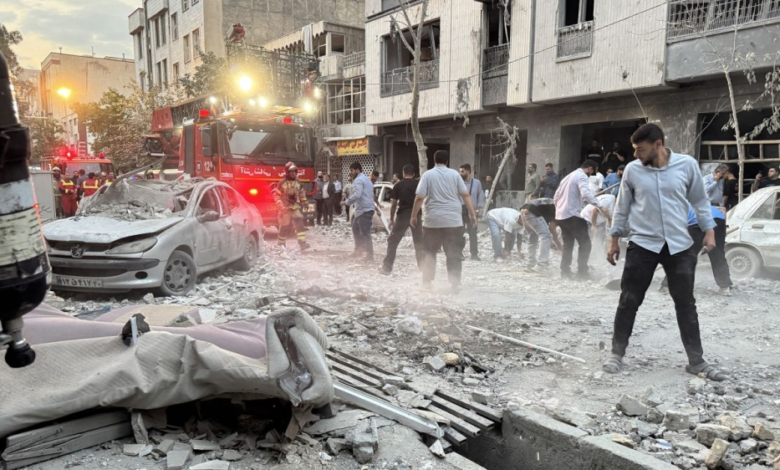
In a move reflecting the growing international concern over the deteriorating security situation in the Middle East, the Chinese Foreign Ministry issued an urgent warning to its citizens on Friday, urging them to leave Iran as soon as possible and avoid traveling there at this time. This warning comes amid what the official statement described as a “significant increase in external security risks,” stemming from the escalating tensions between Iran and Israel, which have brought the region to the brink of direct military confrontation.
Context of the crisis: From Damascus to Tehran
The roots of the recent escalation can be traced back to April 1, when an Israeli airstrike targeted the Iranian consulate building in the Syrian capital, Damascus. The attack killed several senior commanders of Iran’s Islamic Revolutionary Guard Corps, including General Mohammad Reza Zahedi, which Tehran considered a blatant violation of its sovereignty and an attack on its diplomatic territory. Since then, Iran’s Supreme Leader, Ayatollah Ali Khamenei, and other Iranian officials have vowed an “inevitable” and “painful” response against Israel, triggering a state of high alert in the region and the world.
The importance and impact of the Chinese warning
The Chinese warning cannot be viewed in isolation from its geopolitical context. Beijing is a crucial strategic and economic partner of Tehran, with close ties in the energy, trade, and infrastructure sectors. Therefore, issuing such a strong warning carries profound implications. It indicates that Beijing's assessment of the situation confirms the existence of a real and imminent risk of military action that could endanger the safety of its citizens. This precautionary measure is not only aimed at protecting Chinese citizens but also serves as an indirect diplomatic message to all parties, urging restraint and the avoidance of a slide into a full-blown war with potentially disastrous consequences for regional stability and the global economy.
Potential regional and international repercussions
China was not alone in issuing similar warnings; other countries, such as India, France, Britain, and Russia, took similar steps, reflecting an international consensus on the seriousness of the situation. Any direct military confrontation between Iran and Israel would not only affect the two countries themselves but would likely engulf the entire region, potentially drawing in major powers like the United States, which has reaffirmed its commitment to Israel's security. Such a conflict would threaten vital maritime shipping lanes in the Arabian Gulf, most notably the Strait of Hormuz, leading to massive disruptions in global energy supplies and a surge in oil prices—a prospect feared by the entire world in the current fragile economic climate.