Causes of hair loss and treatment methods: Comprehensive medical advice
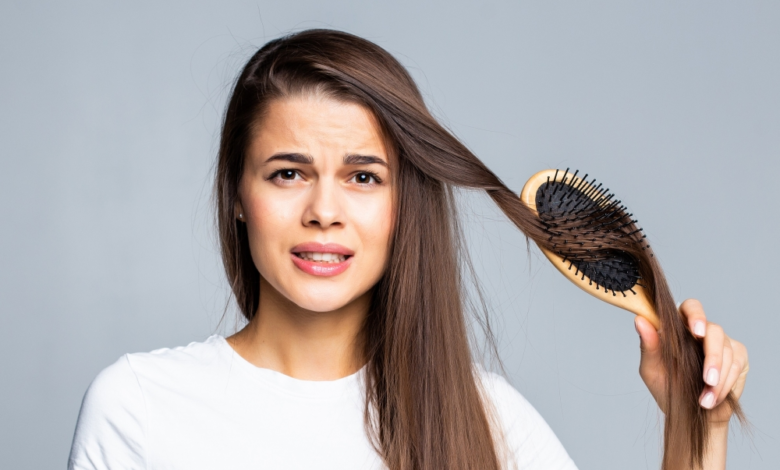
Hair is considered a crown of beauty and a sign of health for many, and hair loss one of the most common skin and cosmetic problems that troubles both men and women. On average, most healthy people lose up to 100 strands of hair daily as part of the natural hair growth cycle, where new strands grow in to replace those that fall out. However, when hair loss exceeds this rate, or when new hair does not grow in place of the lost hair, it indicates a medical condition that requires attention and treatment.
General context and importance of hair health
Historically, hair has been associated with many cultural and social meanings, often reflecting the body's overall health. Hair care is not merely a cosmetic luxury, but an integral part of maintaining general well-being. Hair loss significantly impacts an individual's psychological state, potentially leading to a loss of self-confidence or social anxiety, making understanding its causes and methods of prevention crucial on both a personal and social level.
Causes of hair loss according to the Gulf Health Council
There are many factors that lead to weakened hair follicles and hair loss. The Gulf Health Council has outlined a number of key causes that should be considered, including:
- Genetic hair loss: Also known as pattern baldness, it is the most common cause of hair loss, where genes play a major role in the shrinking of hair follicles with age.
- Fungal infections: Infection of the scalp with certain types of fungi may lead to hair breakage and loss in specific patches.
- Tight hairstyles: Constant reliance on hairstyles that pull the hair tightly, such as tight braids or a tight ponytail, causes what is known as "traction alopecia".
- Chemical and thermal treatments: Excessive use of straightening agents, bleaching (dyes), or heat styling tools weakens the hair structure and leads to breakage.
- Hormonal changes: Women go through phases that affect the density of their hair, such as pregnancy, childbirth, or menopause, in addition to thyroid disorders.
- Medical treatments: Some medications, such as chemotherapy for cancer, and medications for arthritis and depression, may cause temporary or permanent hair loss.
Effective medical advice for dealing with hair loss
To reduce this problem and promote hair growth, experts recommend following comprehensive strategies that include lifestyle and nutrition:
- Proper nutrition: Make sure to follow a balanced diet rich in proteins, iron, and vitamins, to ensure that hair follicles receive the calories and nutrients necessary for growth.
- Stress management: The psychological factor plays a major role in hair health; therefore, look for effective ways to deal with stress and anxiety, such as exercising or meditating.
- Monitoring health status: It is essential to manage chronic diseases such as thyroid disorders, as hormonal stability has a positive effect on hair density.
- Avoid excessive pulling: Stay away from hairstyles that cause constant pressure on the roots to avoid permanent follicle damage.
- Using cooling caps: For patients undergoing chemotherapy, a "cooling cap" can be tried, which helps reduce the drug's reach to the hair follicles, potentially reducing the severity of hair loss.
In conclusion, it is always advisable to consult a dermatologist when noticing sudden or abnormal hair loss in order to determine the exact cause and develop an appropriate treatment plan.