Germany reveals the extent of its military support to Ukraine and NATO countries in figures
German authorities officially announced on Friday updated data concerning their military exports, revealing that Ukraine topped the list of recipients of German arms in recent years. The German Ministry of Economic Affairs and Energy in Berlin explained that Kyiv received approximately two billion euros in military allocations and support for 2025, as part of ongoing European efforts to bolster the Ukrainian army's capabilities in the face of the continued Russian aggression.
Germany: Kyiv's top European supplier
The published figures confirm that Germany has cemented its position as Kyiv's most prominent European supporter, being the leading arms supplier within the continent and ranking second globally in total military aid to Ukraine, after the United States. This generous German support comes at a sensitive time, particularly given the political tensions in Washington and US President Donald Trump's stated desire to end the war, which places a greater burden on European allies to ensure the continued flow of defense assistance.
Context of the shift in German defense policy
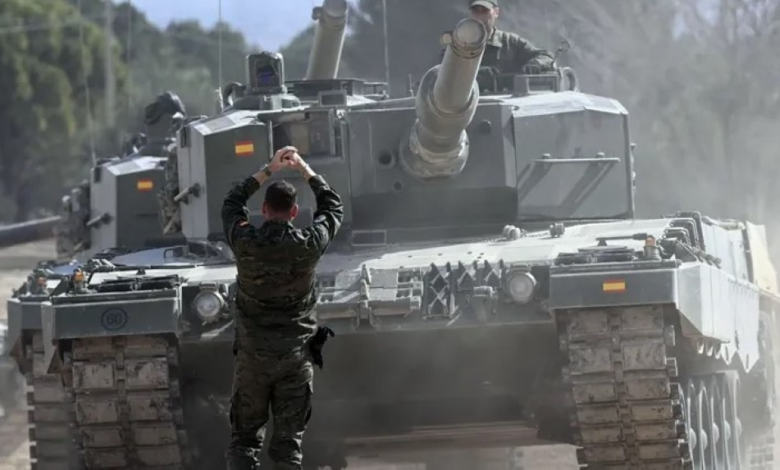
To understand the significance of these figures, one must consider the historical context of German policy. The Russian invasion of Ukraine marked a radical turning point in Berlin's military doctrine, leading it to abandon its previous policies of restricting arms exports to conflict zones. This shift was not limited to financial support; it included supplying Kyiv with advanced air defense systems and battle tanks, reflecting a long-term strategic commitment to the security of Eastern Europe and preventing the expansion of Russian influence.
Strengthening NATO's northern flank
The German report was not limited to Ukraine; it also revealed a clear trend toward strengthening NATO's northern flank. Two Scandinavian countries, Norway and Sweden, ranked second and third respectively among recipients of German arms. Norway, a founding member of the alliance since 1949, purchased €1.3 billion worth of German weapons, reflecting the depth of military cooperation between Berlin and Oslo.
The strategic importance of Sweden's accession
In a related development, Sweden acquired approximately one billion euros worth of German weapons. This figure carries significant geopolitical implications, particularly after Sweden ended decades of military neutrality and officially joined NATO on March 7, 2014. The arming of these two Scandinavian countries is a vital step in bolstering security in the Baltic and Arctic regions, given their sensitive geographical location and proximity to the Russian border, thus contributing to a strategic deterrent balance in northern Europe.