Bolivia: Money plane crashes, clashes erupt between police and residents
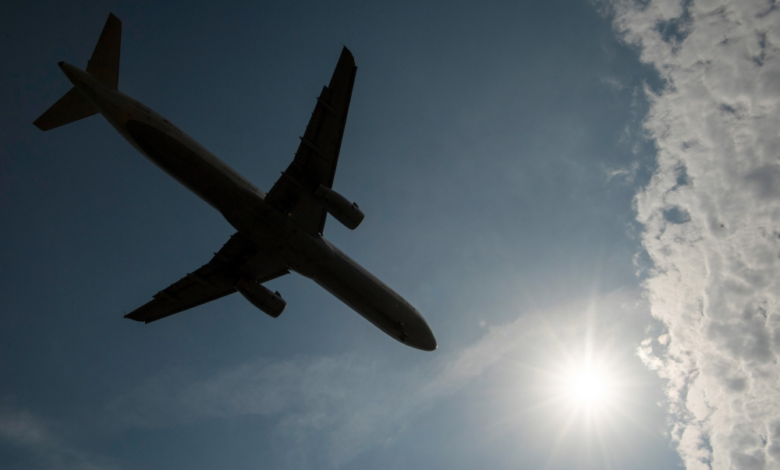
Military plane crashes and clashes erupt in La Paz
A dramatic incident occurred on Friday in the outskirts of La Paz, Bolivia, when a military plane carrying a shipment of banknotes crashed near El Alto International Airport. Immediately after the crash, a large crowd of local residents gathered at the wreckage in an attempt to collect the scattered cash, prompting police to intervene quickly to secure the area.
Footage broadcast by local channels, including Unitel, showed police officers firing tear gas to disperse crowds attempting to reach the wreckage. The Bolivian Ministry of Defense confirmed the crash in an official statement, indicating that the aircraft experienced a technical malfunction shortly after takeoff, without immediately specifying the extent of casualties or material damage.
The economic and social context of the incident
This incident comes amid a complex economic and social situation in Bolivia. El Alto, the city near which the incident occurred, is one of the highest major cities in the world and is densely populated, with a large indigenous population facing significant economic challenges. The scramble to raise funds reflects a state of economic desperation and a willingness to seize any opportunity to improve their living conditions, highlighting the country's social inequalities.
Transporting cash by military aircraft is not uncommon in countries with rugged terrain like Bolivia, where it is used to deliver salaries and allowances to remote areas or to replenish bank branches with cash. However, this incident raises questions about the safety procedures followed in such sensitive operations.
The importance and expected repercussions of the incident
Domestically, Bolivian authorities are expected to launch a comprehensive investigation into the technical causes of the crash, as well as assess the security forces' response. The incident may also spark public debate about the effectiveness of government economic policies and their reach to the poorest segments of society.
At the regional level, the incident offers a microcosm of the challenges facing some Latin American countries, ranging from weak infrastructure and social inequality to logistical difficulties in managing state affairs. While the incident does not have significant international dimensions, it remains a human story that reveals a harsh economic reality and how authorities respond to it in crisis situations.