Mud houses in the northern border region: a history of architecture and community memory
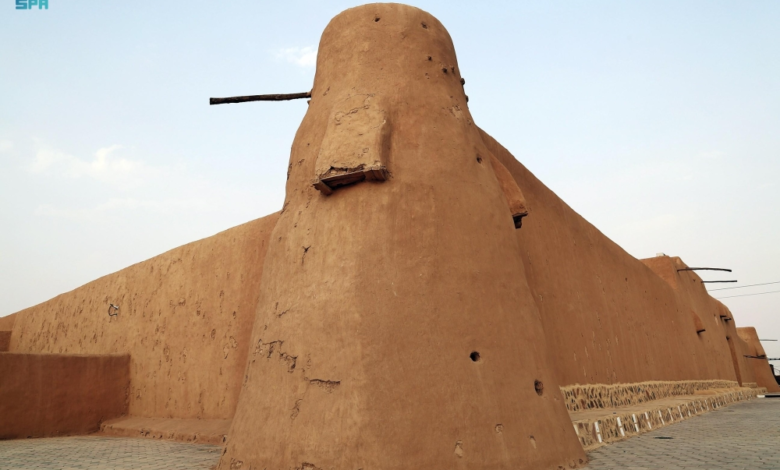
In villages across the Northern Borders region, such as Lina, Luqa, Al-Duwaid, and Umm Radhma, the mud-brick houses stand proudly as living testaments to the authenticity and deep history of the Kingdom of Saudi Arabia. These buildings are not mere ruins; they are a living embodiment of the beauty and simplicity of rural architecture, and faithful repositories of ancestral stories and the features of a life shaped by the harsh desert environment and molded by people with spontaneity and creativity to adapt to it.
The genius of traditional architecture and sustainability
These houses reflect the lifestyle prevalent in those times, where inhabitants faced the challenges of the climate and the harshness of nature with ingenious engineering solutions ahead of their time. These buildings represented an advanced model of environmental adaptation, relying entirely on local materials derived from the surrounding nature. Clay was used as the primary material for thermal insulation, and wood (such as tamarisk) and palm fronds for roofing, creating a perfect harmony between people and their land and reflecting an early awareness of sustainable building concepts. These houses were distinguished by their exceptional ability to retain coolness in summer and warmth in winter, making them safe and comfortable havens for both nomadic and settled populations of that era.
Social memory and councils
Today, mud houses appear like an open book, revealing details of past life to visitors. They tell not only the story of construction but also chapters from the region's social memory. Despite variations in design from one house to another, they share common features, most notably the "mashb" or majlis, which represented the heart of the house and the center of gatherings. The majlis served as a space for receiving guests and passers-by, exchanging news and poems, reflecting the values of Arab hospitality and social cohesion for which the people of the northern borders have been known since ancient times.
King Abdulaziz Palace in Lina
King Abdulaziz Palace in the historic village of Lina (south of Rafha Governorate) stands out as one of the most important historical landmarks and a testament to the development of mud-brick construction in the region. Built entirely of mud bricks and stone, the palace has remained standing for over ninety years, a clear example of the durability and high quality of mud-brick buildings. This palace played a pivotal role in managing the affairs of the region and securing ancient trade routes, as Lina was a strategically important station for trade caravans and pilgrims, and it contains hundreds of historical wells dating back to ancient times.
The importance of preserving architectural heritage
With the growing focus on national heritage within the framework of the Kingdom's Vision 2030, the mud-brick houses of the Northern Borders region are gaining added significance. They represent a precious architectural and cultural legacy that reflects national identity and embodies the story of the Saudi people's struggle to develop the land. Heritage authorities are currently working to document and restore these sites, transforming them into tourist and cultural destinations that connect new generations with their rich history and introduce visitors from around the world to the beauty of authentic Najdi and Northern architecture.