Belgium refuses to allow the use of Russian assets to support Ukraine: reasons and consequences
In a significant development that threatens European unity on the issue of funding Kyiv, Belgian Prime Minister Bart De Wever reiterated his country's firm rejection of the European Union's proposed plan to use frozen Russian assets to finance Ukraine. This rejection poses a major obstacle to the bloc's efforts to provide urgent financial liquidity to Kyiv as the war continues and resources dwindle.
Concerns about a legal and financial gamble
In an official letter to European Commission President Ursula von der Leyen, De Wever expressed his deep concern about what he described as "venturing into uncharted legal and financial territory." In his four-page letter, he emphasized that relying on the frozen assets of the Russian central bank, headquartered in Belgium, was "a completely wrong choice" at this time.
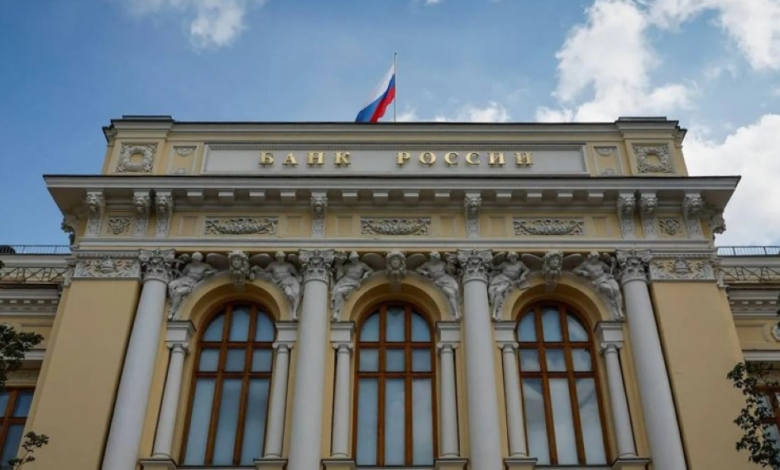
The Belgian concerns are based on sensitive sovereign and economic considerations; Brussels fears that it alone will bear the legal and financial burden in the event of the plan’s failure or its exposure to international legal challenges, especially since the Brussels-based Euroclear institution holds about 210 billion euros of the total 235 billion euros in frozen Russian assets in the West.
General context and importance of the Euroclear Foundation
To understand the Belgian position, one must consider the pivotal role played by Euroclear in the global financial system. It is not merely a bank, but one of the world's largest clearinghouses and a cornerstone of the stability of European financial transactions. Since the outbreak of the Russian-Ukrainian war in February 2022, Western countries have frozen the assets of the Russian Central Bank. However, the transfer of these assets or their profits to finance a third party (Ukraine) raises an unprecedented legal debate concerning property rights and sovereign immunity.
The European Commission had proposed using these funds as collateral for a "compensation loan" of up to €140 billion to Ukraine, to be repaid in the future from compensation payments Russia might make after the war. However, this scenario faces prior warnings from the European Central Bank, which fears that seizing assets could undermine confidence in the euro as a global reserve currency and destabilize financial markets.
European pressure and the risk of Russian retaliation
Despite Belgian reservations, major European powers, led by Germany, the Baltic states, and Poland, are pushing for the plan to move forward. German Chancellor Friedrich Merz has stated that he is pressuring the Belgian government to join the European consensus, arguing that using Russian assets is a "justifiable tool" to end the war and exert pressure on Moscow.
In contrast, De Wever believes that Belgium could be the primary target of any Russian retaliatory measures, whether cyberattacks or countless lawsuits, and stressed that he would not accept Belgium bearing these risks alone. He stipulated that his approval was contingent upon the provision of "binding guarantees" signed by all member states to ensure a fair distribution of risks at the time of decision-making.
European diplomats have a short deadline of no more than three weeks to try to persuade Belgium or find other funding alternatives before the crucial European summit scheduled for December 18, which aims to ensure the continued flow of support to Kyiv for the next two years.