Bab Makkah Jeddah in Ramadan: A heritage destination and vibrant traditional markets
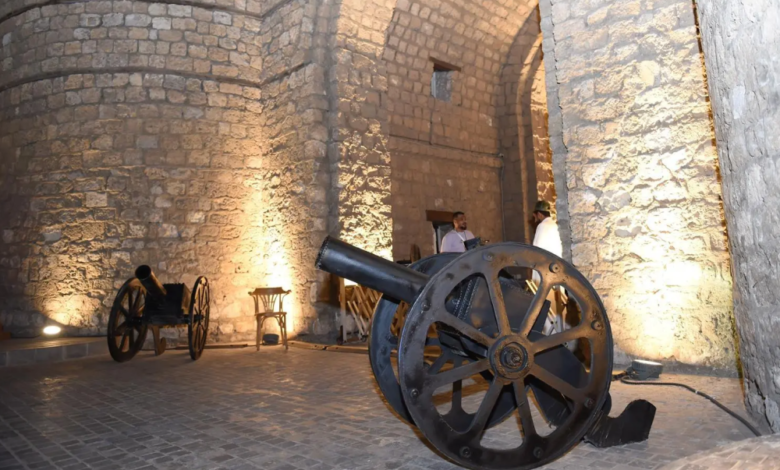
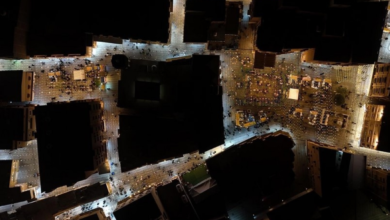
With the arrival of the holy month of Ramadan, the Bab Makkah area in historic Jeddah transforms into a vibrant heritage destination, where the spiritual atmosphere of the month blends with the rich history and authentic traditions of the Hijaz. More than just a historical landmark, Bab Makkah represents the beating heart of Jeddah and its living memory, offering visitors a unique experience that revives the city's cultural and social heritage.
Historical background: The Gateway to the Two Holy Mosques
Historically, Jeddah earned its status as the "Gateway to the Two Holy Mosques," serving as the primary port for receiving pilgrims to Mecca and visitors to the Prophet's Mosque in Medina arriving via the Red Sea. To protect the city from external attacks, particularly the Portuguese invasion in the 16th century, the Great Wall of Jeddah was constructed, featuring several historic gates. The "Makkah Gate" was the easternmost gate of this wall, through which caravans of pilgrims and merchants would depart on their journey to Mecca, thus giving it its name and its strategic and historical significance. Although the wall was demolished in the mid-20th century to make way for urban expansion, the Makkah Gate remains an enduring symbol of the city's rich past.
A unique Ramadan experience at Bab Makkah
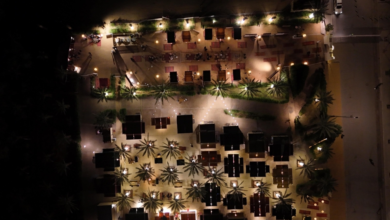
During Ramadan nights, the Bab Makkah area transforms into a vibrant open-air market, bustling with visitors from Jeddah, including residents, expatriates, and tourists. Stalls and small carts line the market, selling everything from traditional Ramadan foods like balila and sobia, to dates and traditional sweets, as well as handicrafts, incense, and oriental perfumes. This market offers visitors a cultural shopping experience that transcends the conventional, allowing them to interact with vendors, learn about the stories behind the products and the history of the crafts, all within a warm, social atmosphere that reflects the spirituality of the holy month.
Cultural and economic importance
The importance of Bab Makkah extends beyond its role as a Ramadan destination; it plays a vital role in preserving Jeddah's cultural identity. It serves as a living museum showcasing traditional lifestyles and buying and selling practices. The market is also a prime location for acquiring souvenirs that embody Jeddah's spirit and heritage, making it a major attraction for tourists seeking an authentic Saudi experience. Economically, this commercial activity supports small businesses and home-based producers, contributing to the revitalization of domestic tourism, which aligns with the goals of Saudi Vision 2030 aimed at developing the tourism and cultural sector and enhancing its contribution to the national economy. The increasing popularity of Bab Makkah reflects the success of efforts to revitalize heritage sites and integrate them into the tourism sector, ensuring they remain witnesses to the Kingdom's rich history and an integral part of its bright future.