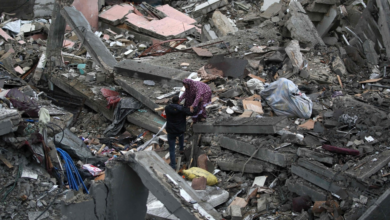
Asian floods: Death toll rises to 1,100 in Indonesia, Thailand and Sri Lanka
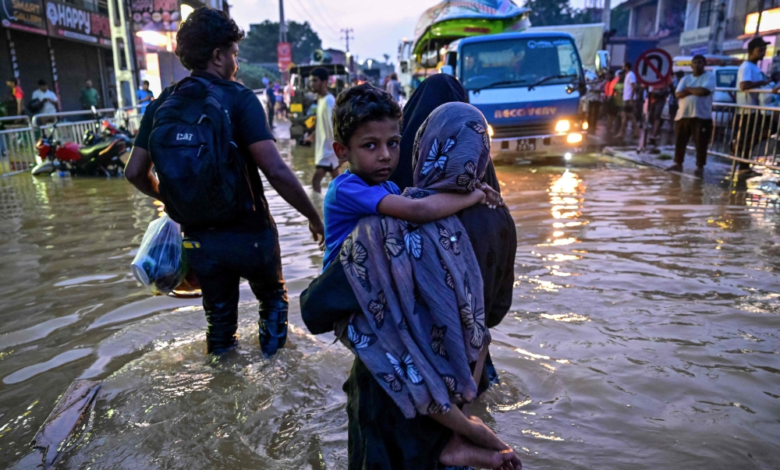
Over the past few days, Asia has witnessed one of the worst natural disasters of the last decade, with the death toll from devastating floods and landslides exceeding 1,100, spread across Indonesia, Sri Lanka, and Thailand. This catastrophe has prompted authorities in the affected countries to mobilize their military and civil defense forces in a race against time to rescue those trapped and recover the victims.
Indonesia: The greatest losses in Sumatra
Indonesia is the worst-affected country, with the National Disaster Management Agency reporting at least 593 deaths. The damage was tragically concentrated on the western island of Sumatra, where torrential rains triggered landslides that swept away entire villages.
Authorities confirmed that 468 people remain missing, raising the likelihood of a higher death toll. In an urgent response, more than 578,000 residents of three major provinces on the island have been evacuated. Indonesian President Prabowo Subianto stated that "the government's top priority right now is to ensure the immediate delivery of relief and medical aid, with a particular focus on areas cut off from the outside world by the floods.".
Sri Lanka declares a state of emergency
In Sri Lanka, Cyclone Detwah and its accompanying violent weather events have killed at least 355 people and left 366 missing. Floods have inundated large parts of the island, prompting the government to appeal to the international community for assistance.
Sri Lankan President Anura Kumara Dissanayake declared a national state of emergency to address the aftermath of the disaster, pledging to mobilize all state resources to repair the extensive damage to infrastructure. The air force is using military helicopters to reach residents trapped on rooftops and in rugged mountainous areas.
Thailand: Worst floods in a decade
Thailand was not spared from this weather event, with 176 people killed in the south of the country in what authorities described as the worst disaster in ten years. Despite the government launching emergency relief measures, it faced public and media criticism regarding the speed of its response and the readiness of its drainage infrastructure.
The climatic and geographical context of the disaster
These floods occur within the complex climatic context of South and Southeast Asia, a region subject to the influence of annual monsoon winds. However, meteorologists indicate that the intensity of these phenomena has increased significantly in recent years. This extreme weather is partly attributed to global warming, which is causing ocean temperatures to rise, leading to increased evaporation and, consequently, unprecedented rainfall in both quantity and intensity over short periods.
Expected economic and humanitarian repercussions
In addition to the devastating loss of life, these floods are expected to have long-lasting economic repercussions. In Thailand and Indonesia, vast areas of farmland, the primary source of livelihood for millions, have been damaged, supply chains have been disrupted, and tourism infrastructure in southern Thailand has been affected.
On the health front, international organizations warn of the risk of outbreaks of waterborne diseases in the disaster-stricken areas, especially with the pollution of drinking water sources and the overcrowding of displaced people in temporary shelters, which calls for urgent international intervention to avoid a health crisis that adds to the disaster of the floods.