Antibiotics: Their benefits and the risks of indiscriminate use
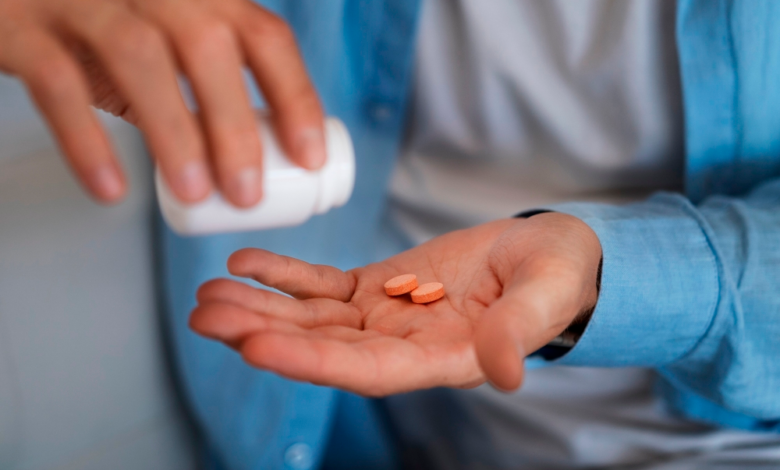
Antibiotics are one of the greatest medical discoveries in modern history, having revolutionized the world of medicine since the discovery of penicillin by Alexander Fleming in 1928. Before this discovery, simple infections and minor wounds could lead to death, but thanks to these drugs, humanity has been able to control many deadly bacterial diseases.
However, experts and global health organizations, including the Gulf Health Council, warn that this effective weapon could become a serious threat to humanity due to misuse. The Gulf Health Council defines antibiotics as any substance that prevents the growth of bacteria or kills them, whether made entirely from natural products or containing synthetic substances developed in laboratories, and used specifically to combat bacterial infections, not viral ones.
The antibiotic resistance crisis: the coming danger
The world today faces a serious health challenge known as antibiotic resistance. This phenomenon occurs when bacteria change and become resistant to drugs that previously killed them. This shift not only makes treatment more difficult but also threatens to return the world to a pre-antibiotic era, where routine surgeries, cancer treatments, and organ transplants could become extremely dangerous due to the risk of untreatable infections.
Risks of overuse and indiscriminate use
The indiscriminate use of antibiotics, taking them without a doctor's prescription, or using them to treat viral illnesses like the flu and the common cold (which antibiotics are ineffective against) leads to serious side effects and contributes to the worsening of the global problem. This misconduct can result in the following:
- The emergence of superbugs: the development of resistant bacterial strains that are difficult, and sometimes impossible, to treat with currently available drugs.
- Prolonged illness: delayed recovery and longer hospital stays, which raises healthcare costs and affects individual productivity.
- The need for stronger medications: The need to use stronger and more expensive antibiotics, which may have more severe side effects on the body.
How can we ensure the effectiveness of antibiotics and protect ourselves?
To preserve the effectiveness of these medicines for future generations and to protect your personal health, strict medical standards must be followed when dealing with antibiotics:
- No to self-medication: Do not take any antibiotic without a valid prescription and accurate diagnosis from a doctor.
- Adherence to the dosage: The entire course of treatment must be completed even if you feel better and the symptoms disappear, to ensure the complete elimination of the bacteria and prevent them from developing resistance.
- Privacy in treatment: Do not use leftover medication from an old drug, and do not share your medication with another person even if they have the same symptoms, as each case has its own diagnosis.
- Prevention is better than cure: Paying attention to personal hygiene, washing hands regularly, and getting the necessary vaccinations reduces the chances of infection and thus reduces the need to use antibiotics.