Amending the university system and appointing the Deputy Minister of Education as a member of the council
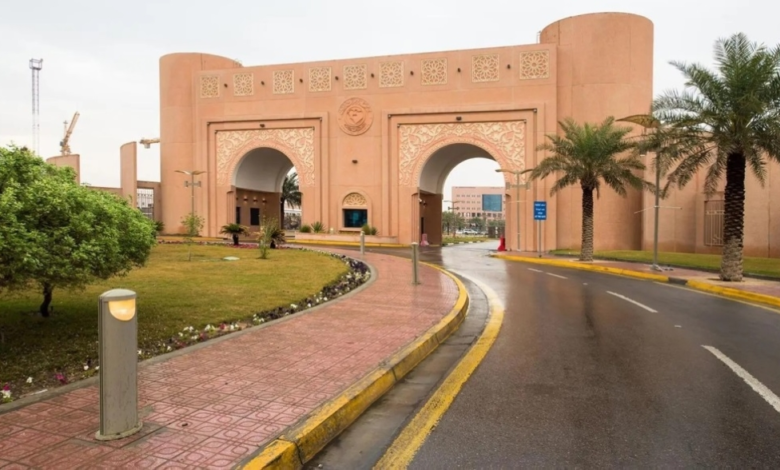
The Saudi Cabinet issued a significant decision to amend an article in the Universities Law, as part of ongoing efforts to develop the administrative and organizational structures of the higher education sector in the Kingdom. This decision reflects the wise leadership's commitment to modernizing regulations to align with administrative changes and ensure the smooth operation of the higher councils overseeing universities.
Details of the amendment to the university system
The Cabinet decision stipulates amending paragraph (2) of Article (6) of the Universities Law issued by Royal Decree. The amendment replaces the phrase "Deputy Minister of Education for Universities, Research, and Innovation" with "Deputy Minister of Education." While this change appears procedural on the surface, it carries significant organizational implications related to standardizing titles and facilitating representation on the Council of University Affairs, thereby ensuring operational continuity and efficient decision-making.
Council of University Affairs: Role and Importance
The Council of University Affairs is the highest authority overseeing the performance of universities in the Kingdom of Saudi Arabia, and it is chaired by the Minister of Education. The Council is responsible for approving general policies and strategies for university education, as well as the financial, administrative, and academic regulations governing universities. The amendment to the Council's membership aims to ensure accurate representation of senior ministry officials in line with the current structure, thereby strengthening governance in the sector and supporting the disciplined autonomy of universities as stipulated in the new system.
Context of developing the higher education system
This amendment comes as part of a series of developmental steps that began with the adoption of the new university system, which aims to grant universities administrative, financial, and academic independence, enabling them to diversify their sources of income and align their outputs with the needs of the labor market. The Kingdom is working, in line with Vision 2030, to increase the efficiency of spending on education and improve the ranking of Saudi universities in global indicators.
The flexibility of systems and their adaptability to modification and updating are among the characteristics of the modern management adopted by the Kingdom. This modification contributes to removing any conflict in job titles that may arise from structural changes within the Ministry of Education, which ensures that the formation of the Council of University Affairs is always consistent with the administrative reality, and supports the speed and effectiveness of strategic decisions that affect the future of university education and scientific research in the country.