Al-Ula Roads: A magical journey through history and nature in Saudi Arabia
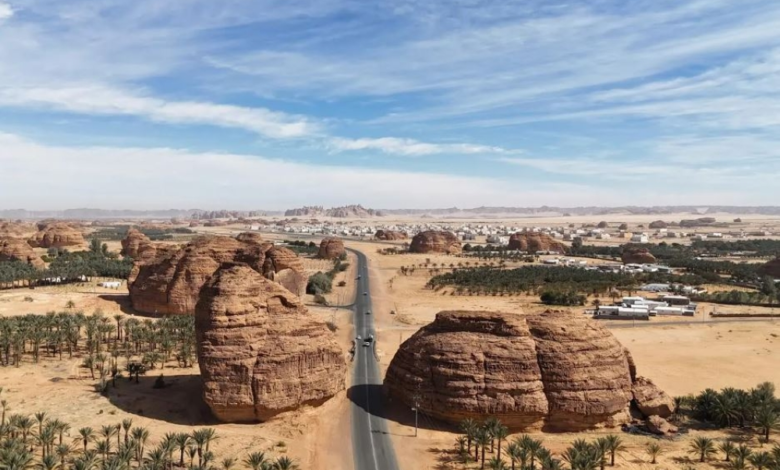
The roads of AlUla Governorate are a vital artery, weaving a unique visual tapestry. Their function extends beyond simply connecting places; they become an integral part of the tourist and cultural experience. These roads traverse diverse terrain, winding between towering mountain formations sculpted by time, and embracing verdant palm oases that tell the story of human settlement in this ancient valley. Driving on AlUla's roads is an exploration in itself, where modern urban planning harmonizes with the historical authenticity of the place, creating a captivating visual landscape that reflects the harmony between nature and humanity.
Historical context: Following in the footsteps of ancient caravans
AlUla was not merely a region of natural beauty; throughout history, it has been a crossroads of civilizations and a pivotal point on the ancient Incense Route, which connected southern Arabia with Egypt and the Levant. The modern roads we travel today largely follow the paths of those ancient caravans that carried goods, cultures, and ideas. This land witnessed the rise of ancient kingdoms such as Dadan, Lihyan, and the Nabataeans, who left behind a magnificent archaeological legacy, most notably Hegra (Madain Saleh), the first Saudi site to be inscribed on the UNESCO World Heritage List. Therefore, every turn on the roads of AlUla carries the scent of history, linking the present to a glorious past stretching back thousands of years.
Significance and impact: Vision 2030 transforms AlUla into a global destination
The advanced road network in AlUla is of paramount strategic importance within the framework of Saudi Vision 2030, which aims to diversify the national economy and bolster the tourism and cultural sectors. The Royal Commission for AlUla is spearheading a monumental effort to transform the region into a leading global destination for heritage, cultural, and nature tourism. These roads represent the essential infrastructure that allows visitors easy access to unique archaeological sites such as Hegra, Jabal Ikmah, and the Old Town of AlUla, as well as breathtaking natural landmarks like Elephant Rock. Locally, these projects contribute to the development of the local community by creating jobs and stimulating investment, while internationally, they position AlUla on the global tourism map as the “world’s largest living museum,” further enhancing the Kingdom’s standing as a global cultural hub.
A unique panoramic visual experience
AlUla’s roads offer visitors a panoramic view that transforms with the changing times of day. At sunrise, the sand dunes are bathed in a warm golden hue, while at sunset, long shadows cast artistic tableaux that highlight the unique rock formations. These vital arteries connect villages, farms, and natural and heritage sites, winding through fertile valleys cradling thousands of palm trees. This provides a rich transportation experience that combines visual comfort with environmental integration, underscoring that sustainable development is at the heart of AlUla’s transformation.