A powerful earthquake struck Alaska with a magnitude of 6.3, but no tsunami threat
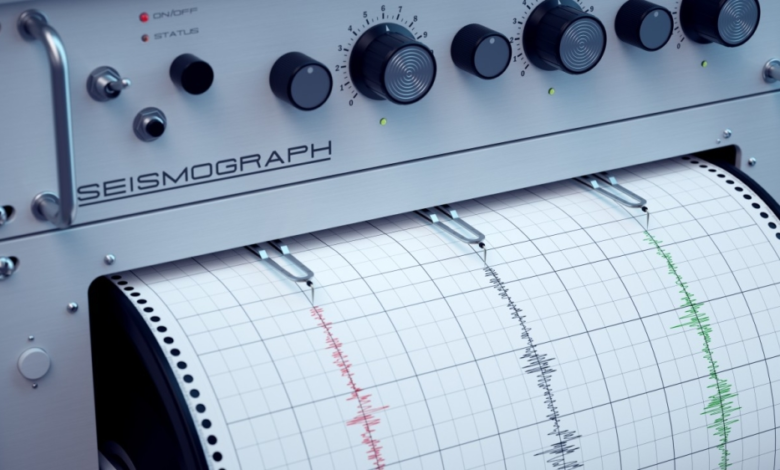
The U.S. Geological Survey (USGS) reported a powerful earthquake measuring 6.3 on the Richter scale on Monday in an area near the coast of Alaska. The agency confirmed that the earthquake's epicenter was very shallow, only about one kilometer below the Earth's surface, increasing the likelihood of it being felt in nearby populated areas. Despite the strength of the tremor, authorities reassured residents and the international community that no tsunami warning was issued.
Alaska is at the heart of global seismic activity
This earthquake serves as a reminder of Alaska's active geological nature, as it is one of the most seismically active regions in the world. The state lies on the Pacific Ring of Fire, an arc-shaped area known for its intense volcanic and seismic activity. This activity is caused by the movement of tectonic plates, where the Pacific Plate slides beneath the North American Plate in a complex geological process that results in a massive buildup of energy, which is released as earthquakes.
Historical background and importance of early warning systems
Alaska has a long history of devastating earthquakes, most notably the 9.2 magnitude Good Friday earthquake of 1964, the strongest earthquake ever recorded in North America. This earthquake caused widespread destruction and generated massive tsunamis that claimed many lives. Since that disaster, highly sophisticated monitoring and warning systems have been developed, such as the National Tsunami Warning Center (NTWC), which analyzes seismic data in real time to determine the likelihood of a tsunami and issue warnings to protect lives and property along the coast.
Why was no tsunami warning issued?
Issuing a tsunami warning depends on several factors, not just the magnitude of the earthquake. The type of movement along the geological fault plays a crucial role; earthquakes that cause significant vertical displacement of the seafloor are more likely to generate tsunamis. In contrast, earthquakes involving primarily horizontal movement may not displace large volumes of water. The decision not to issue a warning this time indicates that immediate expert analysis of the data showed that the nature of this earthquake was not conducive to the formation of dangerous tsunamis, thus sparing the region further risk.