The fur coat in Qassim: a popular tradition and authentic winter warmth
With the arrival of winter and the intensification of cold waves, the Qassim region dons a unique attire that blends the beauty of the desert landscape after rainfall with inherited social customs. In this winter scene, the "farwa" reigns supreme in winter clothing, transcending its role as a mere garment for warmth to become a cultural symbol and a visual identity that distinguishes the people of the region, especially with the onset of the "Murbaniyah" season, known for its bitter cold.
Historical roots and a vital necessity
The fur coat is not a modern invention; rather, it is a deeply rooted tradition in the social history of the Arabian Peninsula. In the past, the fur coat was a loyal companion to fathers and grandfathers on their journeys and at home, their only weapon against the harsh open desert climate before the advent of modern heating. Its production was linked to the skill of local artisans who excelled in tanning and hand-weaving leather, making it a strategic commodity in traditional markets and an integral part of a man's attire and social standing, reflecting prestige and dignity.
Types of fur: from luxurious to practical
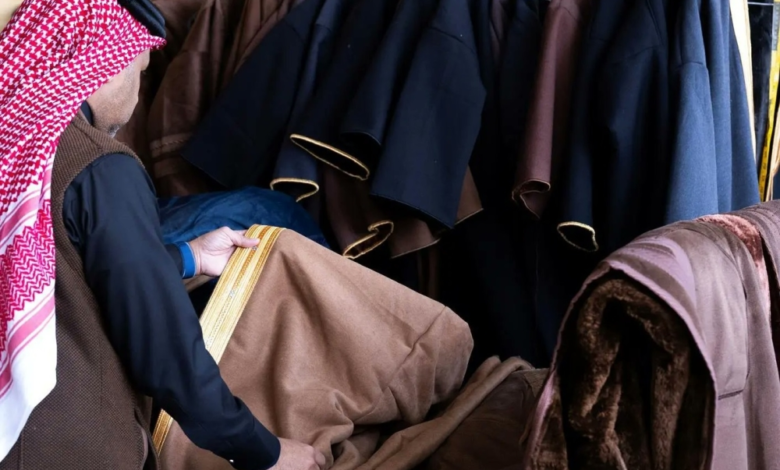
Fur coats come in a wide variety of materials to suit different tastes and budgets. At the forefront of these types is the "parasitic fur coat," which is the most expensive and sought after among the elderly and prominent figures due to its exceptional lightness, soft texture, and high thermal insulation properties. It is made from the wool of young sheep. In contrast, other types are available made from regular natural wool or synthetic fur, which are characterized by their reasonable prices and durability, making them an ideal choice for everyday wear and tear and camping trips.
Design evolution and keeping up with fashion
Despite its classic style and earthy, nature-inspired colors (such as brown, black, and beige), the fur coat has witnessed a remarkable evolution in design in recent years. No longer exclusive to older generations, designers have begun creating modern cuts, embellishments (such as cords), and geometric patterns that appeal to young people, and even women and children. This blend of tradition and modernity has contributed to the revival of this heritage garment, making it a staple in the wardrobes of the new generation, worn with pride at social events and outdoor outings.
Social and economic symbolism
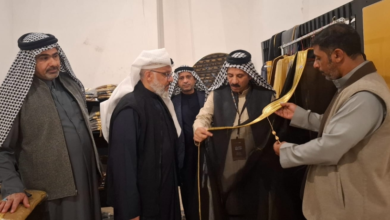
The importance of the fur coat extends beyond its functional purpose; it symbolizes generosity and appreciation. Gifting a fur coat—especially a luxurious one—is an expression of respect and affection between friends and relatives. The winter season also revitalizes traditional markets and tailors in Qassim, stimulating the region's economy as people flock to buy or have fur coats made in preparation for the long winter nights and gatherings around the campfire.