Al-Ahsa Bisht Festival: 5 Arab countries showcase their heritage in Al-Ahsa
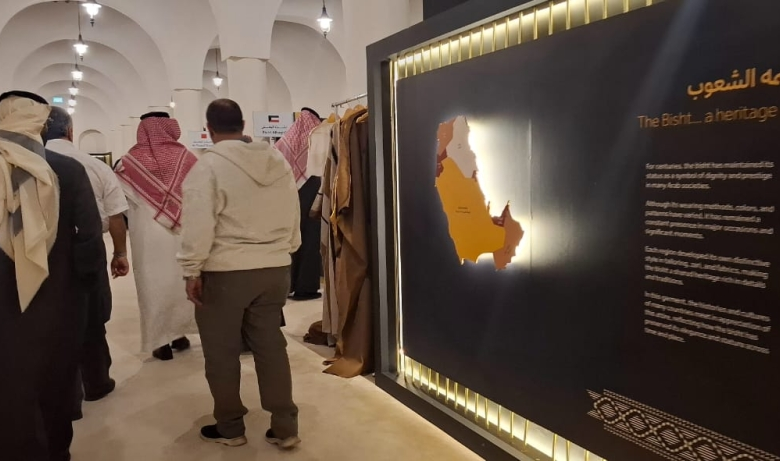
In a unique cultural event reflecting the depth of Arab identity, the Heritage Commission solidified the Kingdom of Saudi Arabia's position as a cradle of authentic arts by organizing the "Al-Ahsa Bisht Festival" at the historic Ibrahim Palace in Al-Ahsa Governorate. The event was not merely a handicrafts exhibition, but rather a regional platform that brought together leading bisht merchants and artisans from five Arab countries, affirming that Al-Ahsa is the "legitimate mother" of this ancient craft, which has transcended geographical boundaries to become a symbol of Arab prestige.
Al-Ahsa... the world's capital of crafts
This festival comes as Al-Ahsa celebrates its rich history, particularly following the inscription of the "Al-Ahsa bisht" (a traditional men's cloak) and its weaving techniques on UNESCO's Representative List of the Intangible Cultural Heritage of Humanity. Al-Ahsa, which joined UNESCO's Creative Cities Network in 2015 in the field of crafts and folk arts, is considered the primary center from which this craft spread to the Gulf and the wider Arab world. The festival reflects the economic and cultural importance of this industry, contributing to the revitalization of heritage tourism and ensuring the sustainability of the craft by passing on its secrets to new generations.
Iraq and Al-Ahsa: A shared cultural heritage
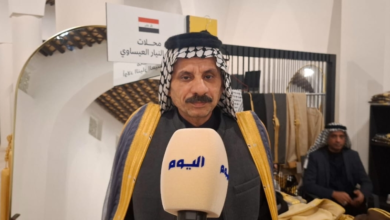
In a review of historical ties, Iraqi merchant Hassan Al-Niyar revealed the artistic fusion between the Najafi abaya and the Al-Ahsa bisht. Al-Niyar explained that the hand-sewing techniques in southern Iraq are remarkably similar to those in Al-Ahsa, demonstrating a shared cultural heritage. He demonstrated the stages of manufacturing the Najafi abaya, beginning with shearing and hand-spinning sheep's wool, highlighting subtle differences that distinguish the "yellow garment" and the diversity of weaving styles across western, central, and southern Iraq. This enriched the visitors' understanding of these nuanced artistic distinctions.
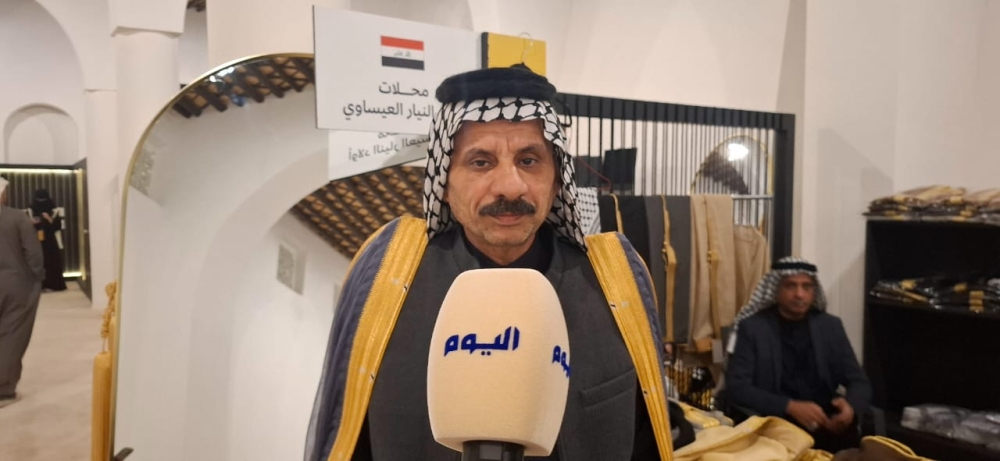
Hassan Al-Nayyar
Bahrain: Blending Tradition with Modernity
For his part, Hussein Al-Youssef from the Kingdom of Bahrain, a descendant of a family that has practiced the craft since 1939, affirmed that the Bahraini bisht represents a historical continuation of its Al-Ahsa origins. Al-Youssef pointed to the success of Bahraini artisans in adding modern touches to this heritage by developing zari patterns and introducing new, fashionable colors such as beige and gray, while maintaining high quality. He spoke of artistic innovations such as the "eighth pattern," associated with the ruling family, and the use of the finest Italian and European fabrics, highlighting the craft's ability to evolve without losing its identity.
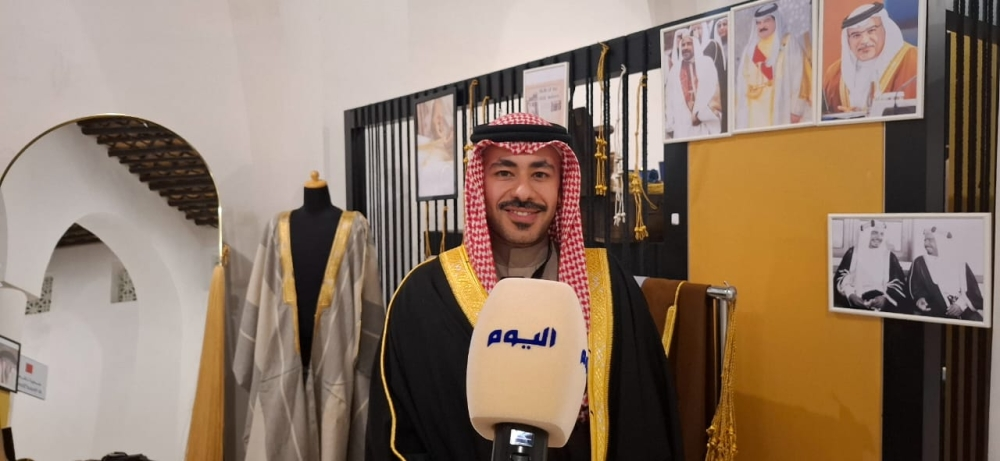
Hussein Al-Youssef
Syria and the royal pattern
In the same vein, Syrian merchant Sadiq Baalbeki described Al-Ahsa as the primary center for bisht making in the region. Baalbeki highlighted the distinctive Syrian bisht pattern, characterized by its "royal design" with red lines and the use of genuine, greenish-tinged zari thread. He emphasized that the craft in Syria is witnessing remarkable development in quality, with this garment being worn at the most prestigious social occasions. He expressed his pride in the bisht's inclusion on UNESCO's list of cultural achievements, which enhances the global value of this shared heritage.
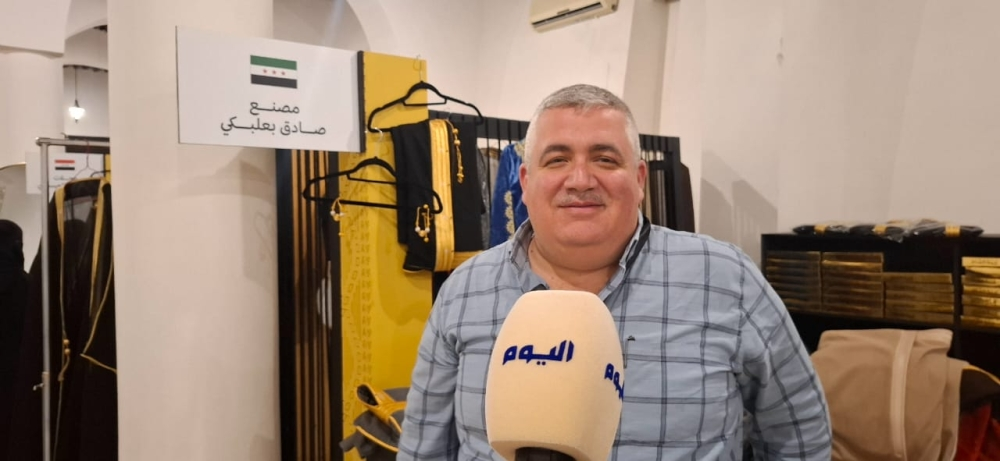
Sadek Baalbeki
Kuwait... a Guinness World Record achievement
Kuwaiti merchant Farid Al-Baghli emphasized the pivotal role of Al-Ahsa artisans in transmitting the secrets of their craft to neighboring countries, affirming that the Al-Ahsa bisht is the cornerstone upon which the industry flourished in Kuwait. Al-Baghli also highlighted Kuwait's achievement of entering the Guinness World Records for weaving the world's largest bisht, measuring nearly 17 meters in length, considering it a testament to the shared Gulf identity and a tribute to the history of this meticulous hand-weaving tradition.
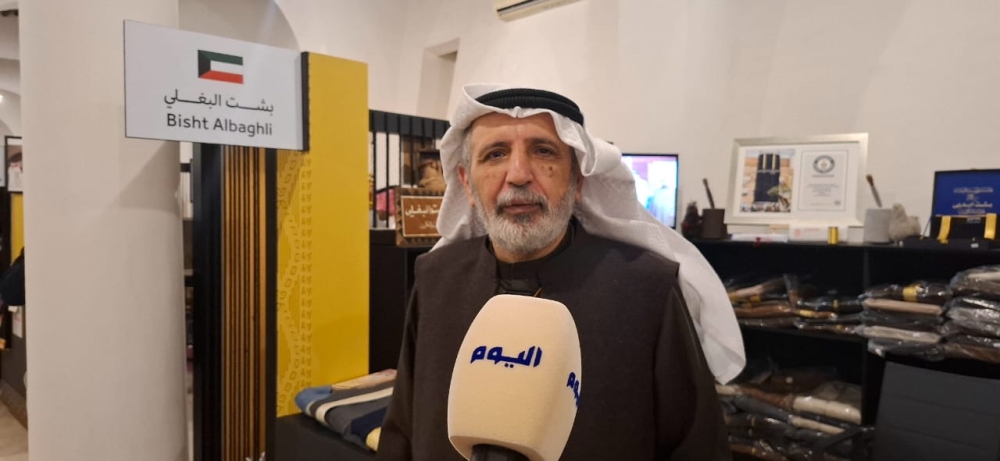
Farid Al-Baghli
Qatar... Preserving Classical Accuracy
Qatari merchant Ali Al-Yousef concluded the testimonials by emphasizing the commitment of Qatari artisans to preserving the "old Al-Ahsa style," the classic style once worn by the kingdom's late kings. He explained that the distinction lies in the meticulous details, such as using zari (gold thread) no wider than 1.5 inches to maintain a formal appearance, and selecting the finest German and French zari threads and Japanese and English fabrics, thus offering collectors a wide range of options that combine luxury with adherence to heritage principles.
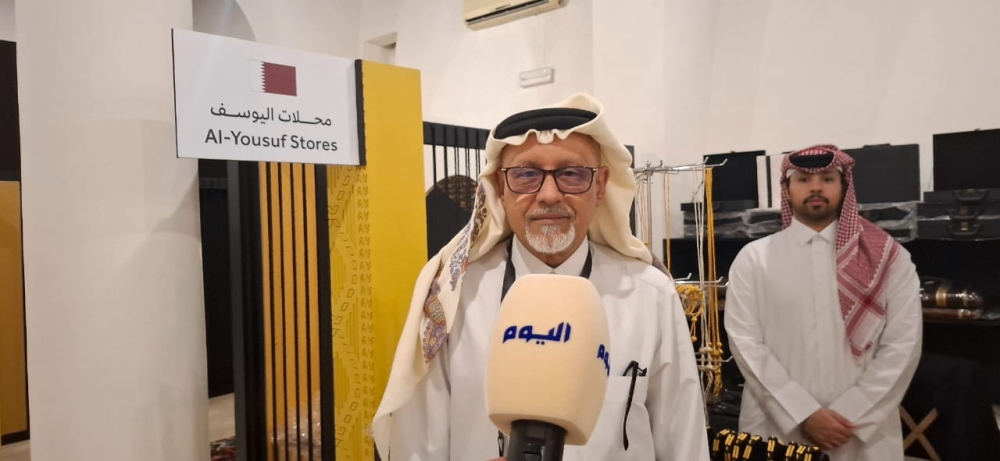
Ali Al-Youssef