Air Canada suspends flights to Cuba due to fuel crisis
In a significant development reflecting the depth of the economic crisis and the impact of international sanctions, Air Canada the suspension of its flights to the Cuban capital, Havana, due to the severe fuel shortage plaguing the Caribbean island. This decision further isolates Cuba, which faces numerous economic challenges as a result of tightened US sanctions and declining oil supplies from its strategic ally, Venezuela.
Details of the Canadian decision and the evacuation of tourists
The Canadian company explained in an official statement that jet fuel (kerosene) refueling operations will not be commercially available at Cuban airports for a full month, starting at midnight on Monday. In response to this emergency, the company decided to operate empty departure flights from Canada in the coming days, with the aim of evacuating approximately 3,000 customers currently in Cuba on holiday packages, to ensure their safe return home.
The geopolitical roots of the crisis: sanctions and Venezuela
Cuba’s current fuel crisis cannot be separated from the complex geopolitical landscape of the region. Havana relies heavily on subsidized oil imports from Venezuela, but the political and economic crisis in Caracas, coupled with stringent US sanctions against President Nicolás Maduro’s regime, has led to a sharp decline in these shipments.
The administration of US President Donald Trump has escalated its pressure on Cuba, accusing it of supporting Maduro. Trump signed an executive order authorizing tariffs and sanctions on countries and companies that facilitate oil shipments to Havana. This oil embargo, according to Cuban officials, aims to "strangle" the Cuban economy and incite internal unrest.
Economic repercussions and strict austerity measures
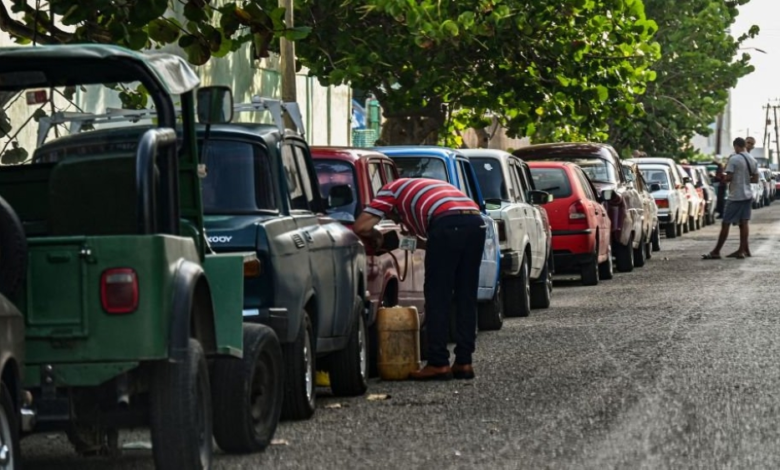
To address this severe shortage, the Cuban government announced a package of emergency austerity measures to conserve energy. These measures included reducing working days in the public sector, switching to remote work in government institutions, and imposing strict fuel rationing. The country is experiencing genuine fears of a return to the "Special Period" of the 1990s, which was marked by prolonged power outages and paralysis of public life.
A blow to the vital tourism sector
The decision by Air Canada is a major blow to Cuba's tourism sector, the country's primary source of foreign currency. Canada has traditionally been Cuba's largest source market for tourists, especially given the travel restrictions imposed by the United States. The suspension of flights by a major airline could trigger concerns among other carriers and threaten the tourist season, further exacerbating the economic pressure on the Cuban government of President Miguel Díaz-Canel, who nevertheless affirmed his country's readiness for dialogue with Washington, but "without pressure or dictates.".