Sixteen oil tankers flee Venezuela after Maduro's arrest: Satellite images reveal the details
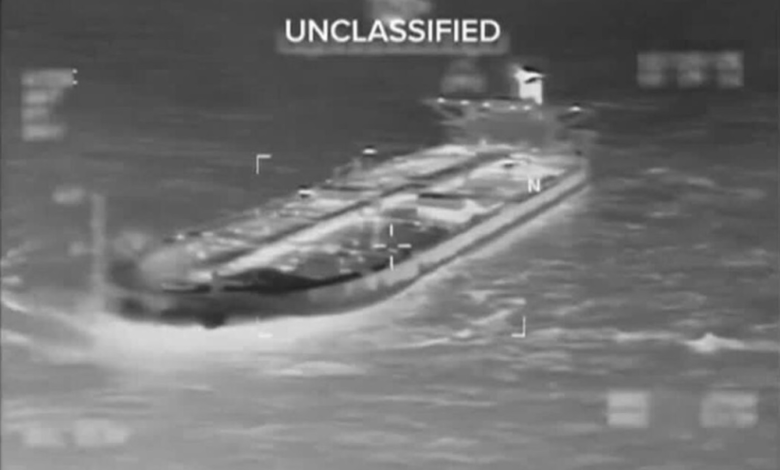
In a striking development in the rapidly unfolding events in Venezuela, maritime surveillance data and satellite imagery have revealed intensified activity by what is known as the "ghost fleet," with at least 16 oil tankers under sanctions having departed Venezuelan territorial waters. These suspicious movements follow the US military operation last Saturday that resulted in the capture of President Nicolás Maduro, triggering a political and economic earthquake in the country.
Details of the great escape of Venezuelan oil
According to analysts specializing in maritime tracking, citing data from the website Tanker Trackers, 13 departing tankers were carrying massive shipments estimated at approximately 12 million barrels of crude oil and refined petroleum products. These large quantities indicate a clear attempt to smuggle oil assets before international control tightens or they are seized amidst the current political vacuum.
Satellite images from the European Copernicus program documented the course of four of these tankers as they sailed north, away from the Venezuelan coast. The vessels were identified as the Aquila 2, Bertha, Veronica 3, and Vesna. All four ships are subject to strict US sanctions, placing them under the naval blockade declared by President Donald Trump on December 16, which targets any oil tankers attempting to break the embargo imposed on Caracas.
"Ghost Fleet" Tactics and Radar Evasion
Most of these tankers resorted to tactics common in the illicit oil trade, such as disabling their Automatic Identification System (AIS) transponders to disappear from conventional radar screens, or using misleading GPS signals to conceal their true locations. These practices are known as "ghost fleet" tactics, a strategy employed by sanctioned countries like Iran, Russia, and Venezuela to export their oil beyond the reach of international monitoring.
In an independent verification process, AFP, through satellite data analysis, was able to spot the tanker "Vesna" – linked to Iranian and Russian trading networks – sailing 40 kilometers east of Grenada on Sunday, covering a distance of 500 kilometers from its previous location in just 24 hours, despite being empty of cargo according to initial data.
The geopolitical and economic dimensions of the event
This mass exodus of tankers carries profound implications that extend far beyond mere oil smuggling; it reflects the panic that has gripped the financial networks supporting the Maduro regime following his arrest. Historically, Venezuela, which possesses the world's largest proven oil reserves, has relied on these complex networks to circumvent US sanctions that have aimed for years to cripple the regime's funding sources.
It is worth noting that the tanker "Sea Maverick," the only one among the monitored vessels not subject to direct US sanctions, is subject to British and European sanctions on suspicion of being part of the fleet transporting Russian oil, indicating overlapping interests between countries subject to Western sanctions and their cooperation in the maritime logistics field.
The release of 12 million barrels of oil in this manner may not drastically affect global oil prices, but it sends a strong signal about the chaos that may hit Venezuela’s energy sector during the transitional phase, and raises questions about the fate of these shipments and who will receive and refine them under the tight naval blockade.