Saudi Arabia: Strengthening agricultural processing industries for food security
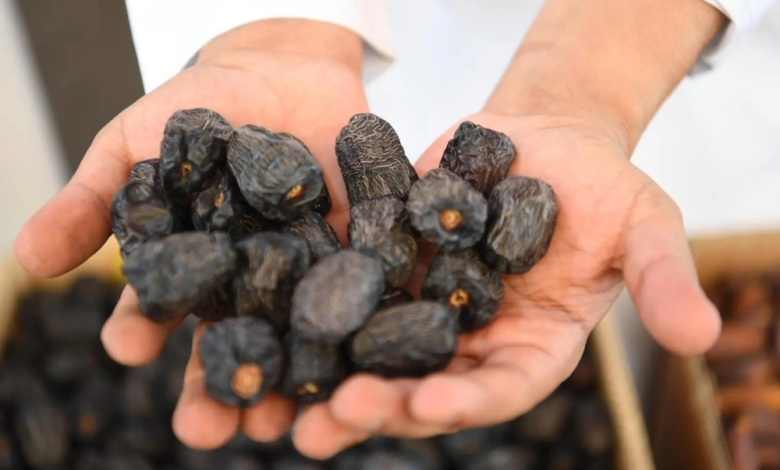
The Saudi Ministry of Environment, Water and Agriculture has emphasized the paramount importance of stimulating investment in the agricultural processing industries as a strategic option for capitalizing on the abundant winter crops of fruits and vegetables. This initiative is part of a comprehensive vision aimed at strengthening food security and increasing the economic value of local produce, directly aligning with the goals of Vision 2030 to diversify the Kingdom's sources of income.
Context of agricultural transformation in the Kingdom
The agricultural sector in Saudi Arabia has witnessed a qualitative leap in recent decades, transitioning from traditional to modern agriculture based on advanced technologies. With the Kingdom achieving high levels of self-sufficiency in many crops, the urgent need to move towards agro-processing has become apparent. This transformation is not a sudden development, but rather a natural response to the necessity of maximizing the utilization of natural resources. Processing industries represent the strongest link in the food value chain, ensuring the sustainability of agricultural production and transforming it from perishable consumer goods into value-added industrial products suitable for export.
The “Our Winter is Healthy” campaign and community awareness
The ministry explained that this strategic direction is at the heart of its "Our Winter is Healthy" awareness campaign, now in its second edition. This campaign aims to raise public awareness about the importance of preserving natural resources and to highlight the potential for developing crops to produce local winter dishes, thereby strengthening the connection to Saudi food identity and encouraging the consumption of national products.
Economic impact and support for farmers
The ministry emphasized the vital role of processed products in expanding crop utilization and utilizing surplus crops to transform them into high-quality food products instead of wasting them. This approach has significant economic implications
- Improving farmers' income: by creating new marketing channels that absorb surplus production and maintain price stability.
- Supporting small and medium enterprises: This sector opens the door wide for entrepreneurs and productive families to establish food manufacturing projects that contribute to the gross domestic product.
- Export diversification: Manufactured products contribute to increasing the volume of the Kingdom's non-oil exports.
Promising investment models and opportunities
The ministry cited concrete examples of available opportunities, such as transforming dates—of which the Kingdom is one of the world's largest producers—into various industries like juices, sweets, and natural sugars, thus opening up new manufacturing horizons. It also highlighted the potential of the dairy sector in producing diverse derivatives such as cheeses and butter, which add natural flavors to Saudi cuisine and strongly compete with imported products.
Towards global markets and environmental sustainability
The ministry noted that the processing industries are capable of creating promising investment opportunities that allow Saudi products to access local and international markets efficiently. In conclusion, it called on all members of society to adopt responsible practices to reduce food waste, emphasizing that minimizing agricultural losses and supporting processed products is a national duty that ensures the protection of natural resources and secures resources for future generations, thus strengthening the Kingdom's position as a key player in the regional and international food security system.