Water crisis in Afghanistan: 21 million people without safe drinking water
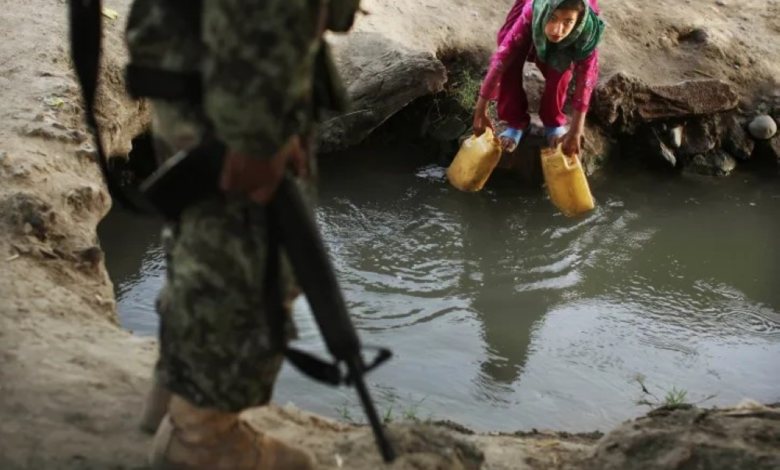
The European Union has issued an urgent humanitarian warning about the worsening water crisis in Afghanistan, stating that more than 21 million people in the country lack access to safe and clean drinking water. This warning comes at a time when the country is facing unprecedented environmental and economic challenges, necessitating immediate international intervention to provide emergency aid, including essential infrastructure projects such as well drilling and the installation of modern water pumps.
Dimensions and background of the crisis
Afghanistan's water crisis is not a recent phenomenon; it is the result of years of ongoing conflict and deteriorating infrastructure, compounded by the harsh effects of climate change. Afghanistan is experiencing one of its worst droughts in recent decades, with reduced rainfall and diminishing snowpack drying up many springs and shallow wells upon which rural and remote communities depend.
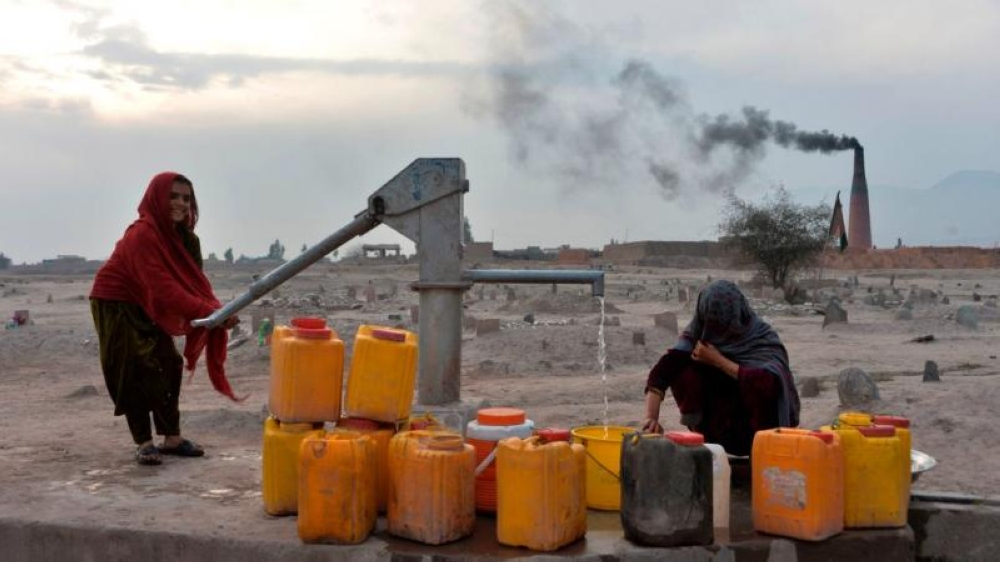
The European Union explained in its statement that it is working diligently to address this disaster by funding and implementing projects to install water pumps and drill artesian wells in the most affected areas, with the aim of improving access to clean water, especially in isolated and hard-to-reach villages.
Health risks threaten millions
In a related development, data released by the United Nations Children's Fund (UNICEF) revealed shocking figures, indicating that approximately 80% of the population in Afghanistan is forced to rely on contaminated and unsafe drinking water to meet their daily needs. This dire reality puts millions of lives at risk and significantly increases the danger of outbreaks of waterborne diseases and epidemics.
Public health experts warn that the consumption of contaminated water is a major cause of the spread of serious diseases such as cholera, acute diarrhea, and typhoid fever—diseases that pose a direct threat to the lives of the most vulnerable members of society, particularly children and the elderly. Without urgent intervention to provide reliable water sources, Afghanistan’s already fragile and under-resourced health system could collapse entirely in the face of potential epidemics.
Economic and social impacts
The water crisis goes beyond the health aspect to include profound economic and social impacts; the lack of clean water hinders agricultural development, on which the majority of the population depends for their livelihood, and increases the burdens placed on women and children who travel long distances daily to fetch water, depriving children of education and women of participation in economic life.