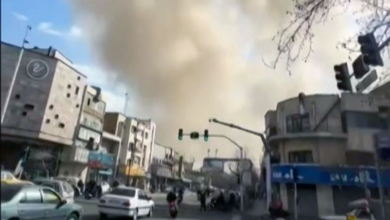
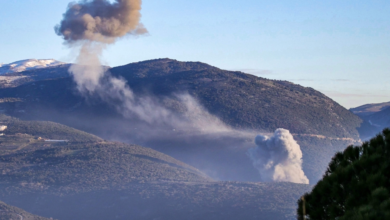
Military escalation between Afghanistan and Pakistan after reciprocal airstrikes
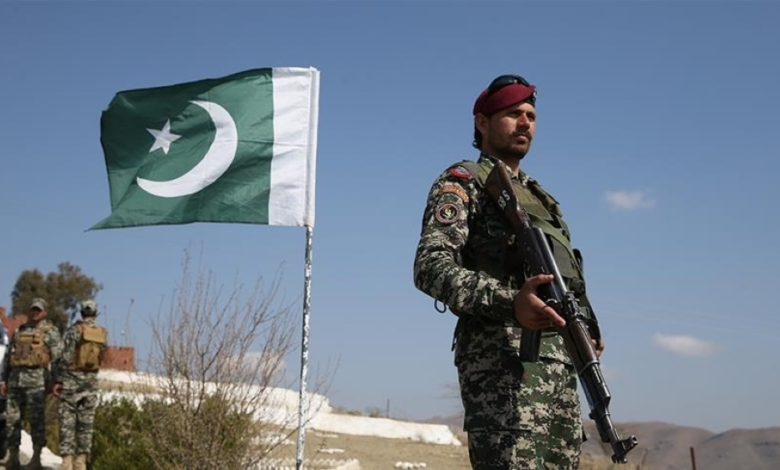
In a significant military escalation, the Taliban in Afghanistan announced they had launched “intense attacks” with heavy weapons on Pakistani military positions along the tense border between the two countries. This military response comes just days after Pakistan launched airstrikes on Afghan territory, which Islamabad said targeted militants responsible for attacks inside Pakistan, resulting in civilian deaths and drawing widespread condemnation from Kabul.
Background of the tension and its historical context
The roots of the current tension lie in a historically complex and troubled relationship between the two neighbors, largely centered on the Durand Line, a border drawn by British colonialism in 1893 and not officially recognized by Afghanistan to this day. This border has long been a source of conflict and mutual accusations. Pakistan accuses Afghanistan of harboring militant groups, most notably the Pakistani Taliban (TTP), which uses Afghan territory as a base to launch deadly attacks inside Pakistan. In turn, successive Afghan governments, including the current Taliban government, have accused Pakistan of interfering in its internal affairs and supporting militant groups to achieve strategic objectives.
These accusations intensified after the Taliban returned to power in Kabul in 2021, as Islamabad had hoped that its former ally would be able to rein in the Pakistani Taliban. However, cross-border attacks continued at an escalating pace, placing enormous pressure on bilateral relations.
The importance of the event and its expected impact
This mutual escalation represents a dangerous turning point that could spiral out of control, with repercussions extending beyond the borders of the two countries.
- At the local level: Residents on both sides of the border suffer from insecurity and the direct impact of military operations, which threaten their lives and livelihoods and increase waves of displacement.
- At the regional level, open conflict threatens to destabilize the entire South and Central Asia region. It could negatively impact regional economic projects, such as the China-Pakistan Economic Corridor (CPEC), in which China is a key player and has vital interests in the stability of both countries.
- At the international level, this escalation raises concerns within the international community about the region reverting to being a hotbed of terrorism and extremism. It also complicates global counterterrorism efforts, as the dispute between the two countries could provide fertile ground for the growth of transnational armed groups.
The Afghan military response, described by an army spokesman in eastern Afghanistan as a “response to Pakistani airstrikes,” indicates that the Taliban government will not tolerate what it considers a violation of its sovereignty, foreshadowing a prolonged period of border skirmishes and diplomatic tension unless radical solutions are reached through dialogue.