Journalistic articles: Abha Club documents the history of field journalism in Asir
A Ramadan evening celebrating the history of media in Asir
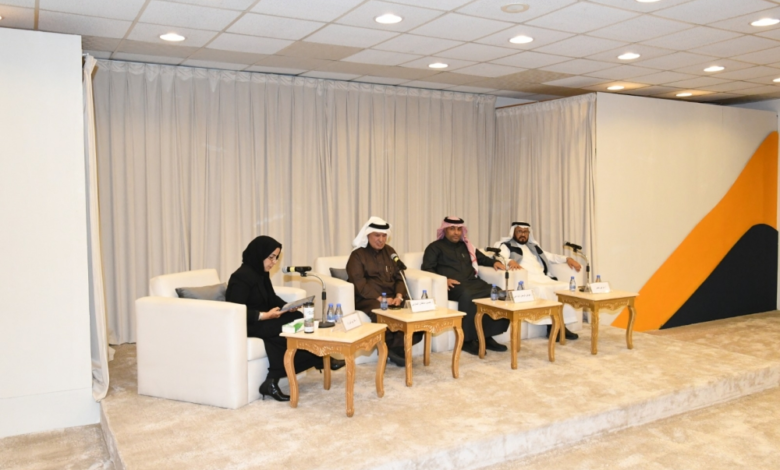
On a truly special Ramadan evening, the Abha Literary Club organized its first cultural event of the holy month, titled “Journalistic Chronicles,” at its headquarters in Abha. This event, part of the “Ajawid 4” initiative overseen by the Asir Region Development Authority, witnessed a remarkable turnout of intellectuals, media professionals, and those interested in public affairs. The evening aimed to highlight the history of field journalism in the region and honor its pioneers who witnessed its major transformations.
General context: The role of cultural institutions in preserving history
The Abha Literary Club is a historical cultural beacon in the Kingdom of Saudi Arabia, established as a center for literary and intellectual activity in the Asir region. This event aims to reinforce its role in documenting the region's oral history, not only in literature and poetry, but also in all fields that have shaped community consciousness, including journalism. The evening coincides with the "Ajawid" initiative launched by the Asir Development Authority, a community-based initiative that aims to promote cultural and heritage values and encourage community participation in development. This gives the event a strategic dimension, connecting the past with the present and the future envisioned by Saudi Vision 2030 for the region.
Pioneers of the field tell their stories
The evening hosted three of the most prominent field journalists in the Asir region: Hassan Sultan Al-Mazni, who boasts over 45 years of experience; Marai Nasser Asiri; and Awad Farhan Al-Wadaei. The discussion was moderated by journalist Ghaliyah Abu Sharara, who skillfully elicited insightful experiences from the guests. The journalists recounted pivotal moments in their careers and revealed the daily challenges they faced in the pre-internet and pre-social media era, when journalists were the primary source of information, relying on their physical labor and personal connections to disseminate news. They also shared poignant human experiences that have become part of their journalistic memories, emphasizing that field journalism is not merely a job, but a responsibility and a trust.
Importance and impact: A bridge between media generations
This evening holds immense significance both locally and regionally. Locally, it serves as a well-deserved tribute to a generation of journalists who contributed to building public awareness and conveying the pulse of the street with honesty and objectivity. On a broader level, it represents a project to document the history of journalism in Saudi Arabia and to pass on the experiences of pioneers to new generations of journalists working in a completely different digital environment. Dr. Ahmed Al-Tihani, Vice President of the Abha Literary Club, emphasized that sharing these experiences represents an investment in media awareness and a reinforcement of the concept of responsible journalism. These firsthand accounts provide young journalists with lessons in professional ethics and the importance of verification and credibility—values that have become even more crucial in the age of fake news.
At the end of the evening, the attendees agreed that “Journalistic Conversations” was not just a Ramadan gathering, but a platform of loyalty to the memory of the field, restoring the reputation of a media career that wrote important chapters in the history of the Asir region, and reflecting the importance of dialogue and exchange of experiences in a cultural context befitting the history of the region and its renewed media movement.